Flour sifting machines are essential in the food industry, ensuring the perfect consistency of flour. However, machine clogs can impede efficiency and disrupt production. According to a recent industry report by the American Society of Baking, approximately 30% of dough processing downtime can be attributed to equipment malfunctions, including clogged sifters. Understanding how to clear a clogged flour sifting machine is crucial for maintaining workflow and product quality.
Expert John Smith, a well-known consultant in food processing, emphasizes the importance of regular maintenance. He states, “A well-maintained sifting machine prevents clogs and improves overall output.” His insights highlight the need for technicians to be equipped with effective methods for tackling this common issue. The right approach can save time and resources.
Many operators face challenges when clearing clogs. Experienced staff understand that addressing the problem quickly is vital. Techniques should be simple yet effective. Notably, awareness of common clogging causes can guide effective prevention strategies. Reflecting on past mistakes can lead to better practices. In the fast-paced food industry, knowing how to clear a clogged flour sifting machine efficiently is not just beneficial; it's essential for success.
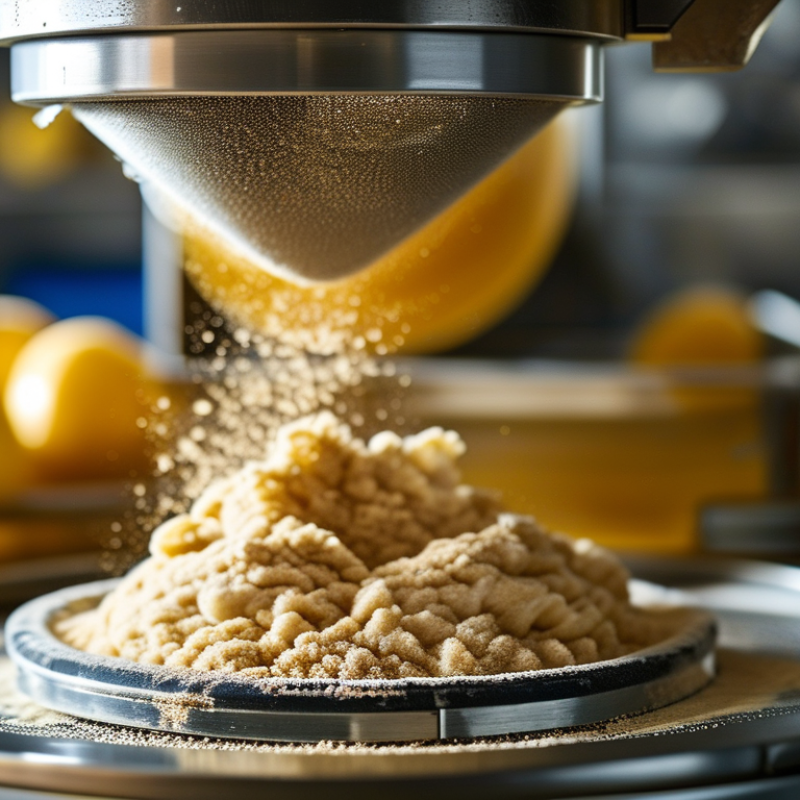
Clogs in flour sifting machines can disrupt your workflow. Understanding their common causes can help you address these issues effectively. One significant cause is moisture buildup. Flour can absorb moisture from the air, leading to clumps. When flour becomes damp, it doesn’t pass through the sifter as it should.
Another frequent cause is the presence of foreign materials. Sometimes, small objects or even other ingredients get mixed in with the flour. These materials can jam the machine, leading to inefficiency. Even flour that is overly packed within the sifting mechanism can create jams. Regular checks can help identify problematic areas.
It's also crucial to consider the age of your machine. An older machine might wear out, leading to more frequent clogs. Inspecting the screens and components periodically ensures everything is in good working condition. Recognizing the signs of impending clogs can save time and effort. Adjusting your maintenance routine might require reflection, but it pays off in the long run.
| Common Causes of Clogs | Description | Preventive Measures |
|---|---|---|
| Insufficient Cleaning | Residual flour buildup can lead to blockages. | Regularly clean the machine and remove flour residues. |
| Moisture Exposure | Excess moisture can cause flour to clump. | Store flour in a dry environment. |
| Foreign Particles | Dirt or debris can block sifting mechanisms. | Use proper filters and regularly check for debris. |
| Inadequate Sifting Speed | Too fast or slow sifting can cause backup. | Adjust the sifting speed to optimal levels. |
| Flour Type | Different flour consistencies can affect sifting. | Use flour appropriate for the sifting machine. |
: Moisture buildup is a major cause. Flour absorbs moisture and clumps, blocking the sifter.
Small objects mixed with flour can jam the machine. Regular checks can help identify these issues.
Older machines wear out. This can lead to more frequent clogs if not properly maintained.
A soft brush and a vacuum cleaner are key. They help remove buildup without damaging the machine.
Yes, unplugging reduces electrical hazards. Rushing the cleaning can cause future clogs.
Unplug the machine first. Gather tools and work in a clean area to stay organized.
Take your time and reflect on each step. It’s important to be patient to avoid damaging parts.
Regular checks and cleaning ensure the machine functions well. This proactive approach saves time and effort.
Rushing or neglecting to check components can lead to recurring issues. Take it slow for better results.
The process requires patience and attention to detail. Each experience improves understanding of machinery maintenance.
In the article "How to Clear a Clogged Flour Sifting Machine Easily?", the author explores the common causes of clogs in flour sifting machines, providing valuable insights for users facing this issue. It emphasizes understanding the factors that contribute to blockages, such as moisture-saturated flour or inadequate maintenance. The article also outlines essential tools needed for the task and presents a step-by-step guide to disassemble the sifting machine safely, ensuring users can tackle the problem effectively.
Moreover, the article offers cleaning techniques aimed at restoring the performance of a clogged sifter and suggests preventative measures to avoid future clogs. By following this comprehensive guide on how to clear a clogged flour sifting machine, users can maintain their equipment in optimal condition, thus enhancing efficiency in flour processing.

 Jiujie Machine