How to Choose the Best Commercial Flour Milling Equipment?

Time:2026-06-25 Author:Liam
0%

Choosing the right commercial flour milling equipment is crucial for any business involved in flour production. The right equipment can enhance efficiency and product quality. Importantly, understanding how to choose the right commercial flour milling equipment helps in making informed decisions.

Different factors play a role in this selection process. For instance, the capacity of the mill should match your production needs. Additionally, energy efficiency can significantly impact operating costs. Consider the durability of the equipment. High-quality machines often require less maintenance over time, which can save you money and downtime.

One must also assess the level of support and service provided by manufacturers. Reliable service can make a big difference if problems arise. However, it’s easy to overlook this aspect. Selecting equipment without proper research can lead to costly mistakes. Reflect on your specific needs and do thorough investigations to avoid these pitfalls.
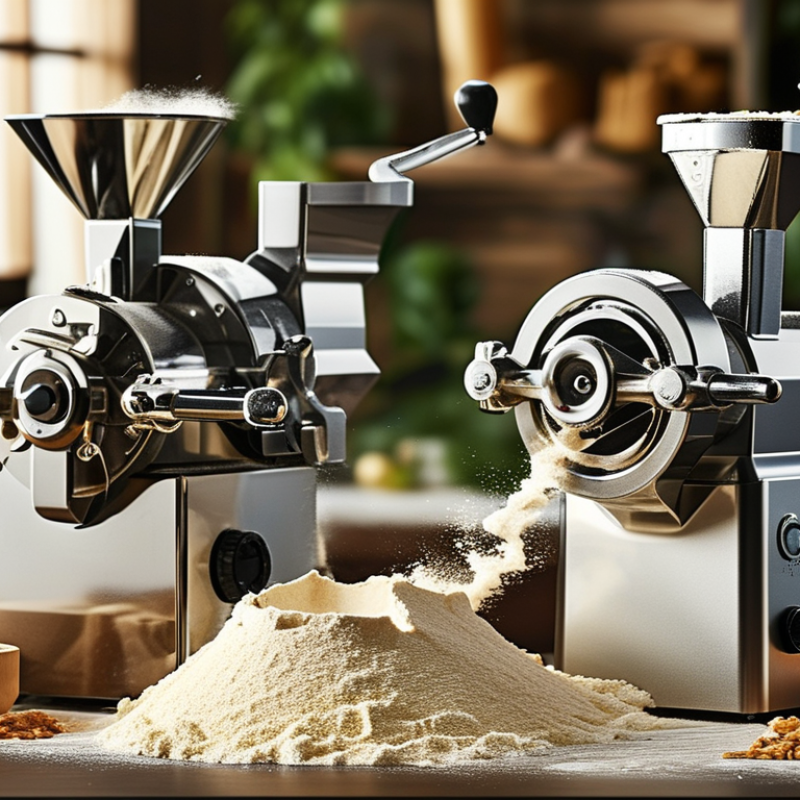
How to Choose the Best Commercial Flour Milling Equipment?

Understanding Different Types of Commercial Flour Milling Equipment

When selecting commercial flour milling equipment, it's crucial to understand the different types available. Various mills cater to distinct production needs. For instance, roller mills are popular for their efficiency in producing fine flour. According to a report from the International Grain Council, roller milling accounts for about 70% of flour production globally. This method offers a consistent particle size and high extraction rates.

Stone mills, on the other hand, provide a traditional approach. They preserve the grain's nutrients and flavor. Analysts indicate that the demand for stone-ground flour is rising, driven by health-conscious consumers. This segment represents approximately 15% of the market. However, slower production speeds and higher maintenance costs may deter some businesses.

Understanding each equipment type helps millers make informed decisions. Factors such as production volume and flour quality are critical. High-quality mills often feature advanced technology to ensure durability and efficiency. Investing in reliable equipment can enhance product consistency and reduce operational costs. However, businesses must reflect on their specific needs before making a purchase. Balancing cost, efficiency, and quality remains a persistent challenge in the industry.

Key Factors to Consider When Choosing Flour Milling Machinery

When selecting commercial flour milling equipment, several key factors must guide your decision. The type of milling process is essential. Consider whether you need stone milling or roller milling. Each method has its unique advantages. Stone milling retains more nutrients, while roller milling is often faster and more efficient.


Another critical aspect is the equipment’s capacity. Smaller operations may only need compact machines, while larger mills require high-capacity setups. Don't underestimate the importance of energy efficiency. This can significantly impact your operational costs over time. Investing in energy-efficient machinery can yield long-term savings.


Tips: Always evaluate the reliability of the equipment manufacturer. A reputable company often provides better customer service and support. Look for reviews from other users. They can offer insights into the equipment’s performance and longevity.


Also, consider the machine’s maintenance requirements. Frequent upkeep can lead to unexpected downtime, impacting your productivity. An ideal milling machine should balance efficiency and manageable maintenance. Reflect on your current and future milling needs when making your choice.

Evaluating Production Capacity and Efficiency of Milling Equipment

When evaluating milling equipment, production capacity is key. A well-designed mill should maintain a consistent output while maximizing efficiency. Reports indicate that top-performing mills can achieve an output of 1,000 tons per day with minimal downtime. Selecting equipment that meets your production needs is crucial.

Efficiency also relates to energy consumption. According to industry data, efficient milling processes can reduce energy usage by up to 30%. It’s essential to choose equipment that offers a good balance of capacity and operational costs. Keep in mind that larger doesn't always mean better; machinery must fit your specific operation.

Reflecting on the complexities of milling, it's common for businesses to overlook maintenance needs. Regular assessments can help prevent costly downtimes. Equipment that is not regularly serviced may lose efficiency, directly impacting production. Therefore, ensuring that the milling equipment is easy to maintain is vital.

Assessing Costs and Budget for Flour Milling Solutions

When evaluating costs and budgets for flour milling solutions, it's essential to analyze various factors. The initial investment can range significantly, depending on the capacity and technology of the milling equipment. According to industry reports, entry-level equipment may cost around $30,000, while advanced systems can exceed $500,000. This wide range highlights the importance of aligning equipment choices with production goals.

Operational costs also play a vital role. Energy consumption, maintenance, and labor costs can add up quickly. Reports suggest that energy costs can account for approximately 20% of total operating expenses. Efficient machines may have a higher price tag but can result in lower long-term costs. It's crucial to compute the total cost of ownership, factoring in potential downtime and repairs, to avoid unexpected financial burdens.

Budgeting for flour milling isn't just about acquisition costs. It requires a holistic view. Emergency repairs or unplanned equipment replacements can strain finances. Industry experts recommend setting aside 10-15% of the initial equipment cost for contingencies. This practice can create a buffer, enabling businesses to manage unforeseen expenses more effectively. Regular assessments of expenses and revenue can also provide insights for future investments.

How to Choose the Best Commercial Flour Milling Equipment? - Assessing Costs and Budget for Flour Milling Solutions

Milling Equipment Type Processing Capacity (kg/h) Power Consumption (kW) Estimated Cost (USD) Maintenance Frequency (months)
Hammer Mill 500 30 $15,000 6
Stone Mill 300 25 $12,000 12
Roller Mill 800 45 $20,000 8
Pin Mill 600 35 $18,000 9
Disc Mill 400 28 $14,000 7

Maintenance and Support Services for Flour Milling Equipment

Maintenance and support services play a crucial role in the longevity and performance of flour milling equipment. Regular maintenance ensures that your machinery runs smoothly and efficiently. Operators often overlook routine checks, leading to unexpected downtime. Keeping an eye on wear and tear can prevent costly repairs later on.

Tips for maintaining your milling equipment: Schedule weekly inspections to assess vital components. Keep an organized maintenance log to track repairs and replacements. Always refer to the manufacturer’s guidelines for specific maintenance needs. Simple steps can save significant time and money.

The right support services can greatly affect flour milling operations. Technical support can address urgent issues effectively. Training programs for staff ensure that operators understand equipment functions better. Staff should feel empowered to perform minor troubleshooting. Sometimes, they may hesitate to report small issues, which can snowball into major problems. Open communication about equipment health is essential for success.

FAQS

: What are the main types of commercial flour milling equipment?

: Roller mills and stone mills are the primary types. Roller mills are efficient; stone mills preserve nutrients.

What is the advantage of roller milling?

Roller milling produces fine flour with consistent particle size. It accounts for about 70% of global flour production.

Why is stone milling gaining popularity?

Health-conscious consumers prefer stone-ground flour for its nutrient retention. It currently represents approximately 15% of the market.

How important is the capacity of milling equipment?

Capacity is vital. Smaller businesses need compact machines, while larger operations require high-capacity setups for efficiency.

What role does energy efficiency play in flour milling?

Energy efficiency affects operational costs. Efficient machines may cost more initially but offer savings over time.

How should one evaluate flour milling equipment?

Consider reliability, maintenance requirements, and user reviews. These factors can significantly impact performance and longevity.

What should be included in the budget for flour milling?

Include acquisition, operational costs, and a contingency fund. Setting aside 10-15% of equipment costs can help manage unexpected expenses.

How can frequent maintenance affect milling operations?

Poor maintenance can lead to unexpected downtime. An ideal machine should balance efficiency and manageable upkeep.

What is the total cost of ownership in milling?

It includes initial costs, energy, maintenance, and potential repairs. Calculating this helps avoid financial strain later on.

Why is it essential to reflect on business needs when choosing milling equipment?

Each business has unique needs. Balancing cost, efficiency, and quality is critical for sustainable success.

Conclusion

Choosing the right commercial flour milling equipment is crucial for optimizing production and ensuring product quality. To begin with, it's essential to understand the different types of commercial flour milling machinery available, each designed to meet specific production needs. Key factors to consider include the equipment’s production capacity, efficiency, and suitability for various grain types.

Moreover, evaluating the costs and establishing a budget are critical in making an informed decision. It's advisable to factor in long-term maintenance and support services that will keep the machinery functioning effectively. By carefully analyzing these aspects, you can make a well-rounded choice that aligns with your operational goals and financial constraints.

Liam

Liam

Liam is a dedicated marketing professional with a profound expertise in the industry, where he excels at highlighting the unique advantages of our core products. With a keen understanding of market trends and consumer needs, Liam frequently updates our company’s professional blog, providing......