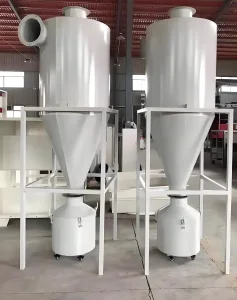
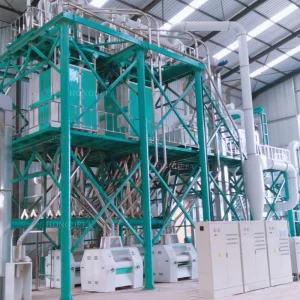
Explore our top-performing processing systems designed to ensure purity, density grading, and precision particle distribution.
The global grain milling market is undergoing a rapid transition from basic processing to high-precision engineering. As demand grows for specialty grain products, ensuring raw material purity, strict moisture levels, and stable ash content is vital. Quality control in modern flour milling is no longer just about grinding; it requires a complex processing system from harvest to package.
Today, flour quality is defined by strict chemical and physical parameters: protein quality (gluten strength), water absorption capacity, alpha-amylase activity (falling number), and particle size distribution. Factors like fluctuating global climate patterns can affect grain harvests, causing variations in moisture content, foreign matter contamination, and enzymatic instability. To address this, modern milling systems must adapt to varying grain characteristics.
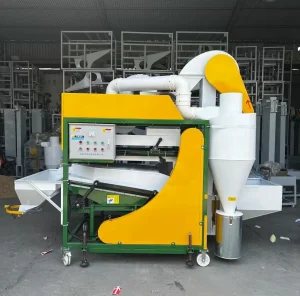
Globally, importing countries are enforcing stricter phytosanitary regulations. Contaminants such as mycotoxins (deoxynivalenol, ochratoxin A), heavy metals, pesticide residues, and physical impurities must be kept well within parts-per-billion (ppb) thresholds. Achieving this standard requires highly efficient mechanical cleaning processes, including air aspiration, gravity-based separation, and multi-stage screening. High-quality separation equipment is key to removing impurities before the grain reaches the reduction rolls, protecting machinery and ensuring a clean final product.
The grain processing industry is moving toward automation, energy efficiency, and sustainable processes. Below are the key trends transforming global flour mills:
Traditional milling systems used dampening washers to clean grains, producing wastewater that required treatment. Today's sustainable mills use dry cleaning systems with precision gravity separators and intense air aspiration. This dry cleaning method reduces environmental impact while preventing mold and bacterial growth during conditioning.
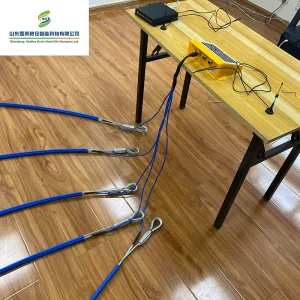
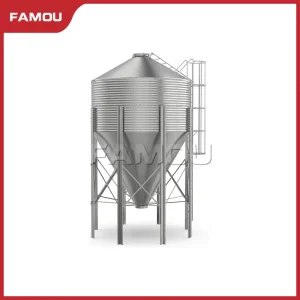
Improper storage can compromise grain quality. Real-time digital temperature sensing cables monitor bulk grain inside silos, detecting hot spots caused by pest activity or moisture build-up. This allows facility operators to trigger ventilation or grain circulation before spoilage occurs, preserving grain quality for long-term storage.
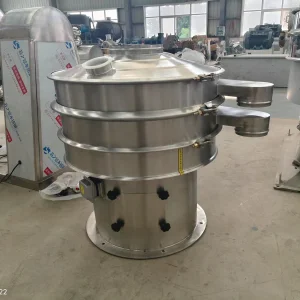
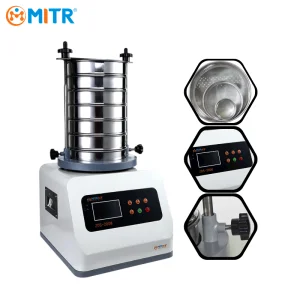
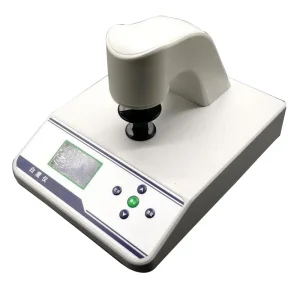
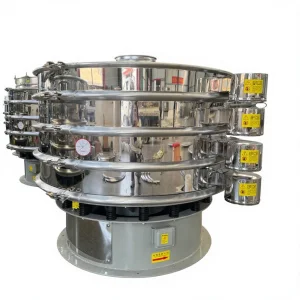
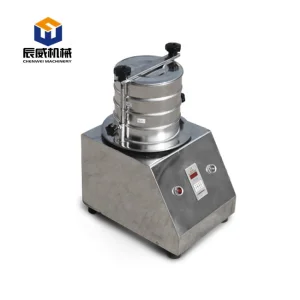
Achieving consistent particle size distribution requires precise sifting machinery. Modern mills use dynamic vibrating sifters and laboratory test sieve analyzers. Utilizing automated sieving systems helps control flour yield, water absorption, and baking performance.
Processing and storing grains requires localized systems tailored to regional environmental conditions and market demands:
Henan Jiujie Machine Co., Ltd. is a professional supplier of complete equipment and engineering services for the food production and grain processing industries. Our business covers a wide range of applications, including wheat flour milling plants, feed processing factories, and rice processing plants. Our product portfolio includes conveying equipment, cleaning equipment, flour milling equipment, and other related machinery. Over the years, our products have been widely recognized by customers both in domestic and international markets.
Since its establishment, Henan Jiujie Machine Co., Ltd. has been dedicated to the research and development of grain processing technology and machinery. With extensive industry experience, we are able to provide integrated solutions across the entire grain and food processing industrial chain. Our solutions cover multiple stages, including raw material collection, storage, cleaning, grading, sieving, grinding, mixing, shaping, production, and packaging.
Our flour milling equipment has obtained the ISO9001 quality management system certification and CE certification. The environmental protection standards of our equipment comply with relevant EU requirements. Our grain cleaning process is designed to operate without water usage, ensuring no wastewater discharge and supporting environmentally friendly production.
Our products are characterized not only by stable performance but also by easy installation, convenient maintenance, and low operating costs. With advanced technology, reliable quality, and modern design, our equipment has earned high appreciation from clients worldwide.
Through precise machining and advanced production lines, we ensure high quality, durability, and reliable performance across our machinery lines.
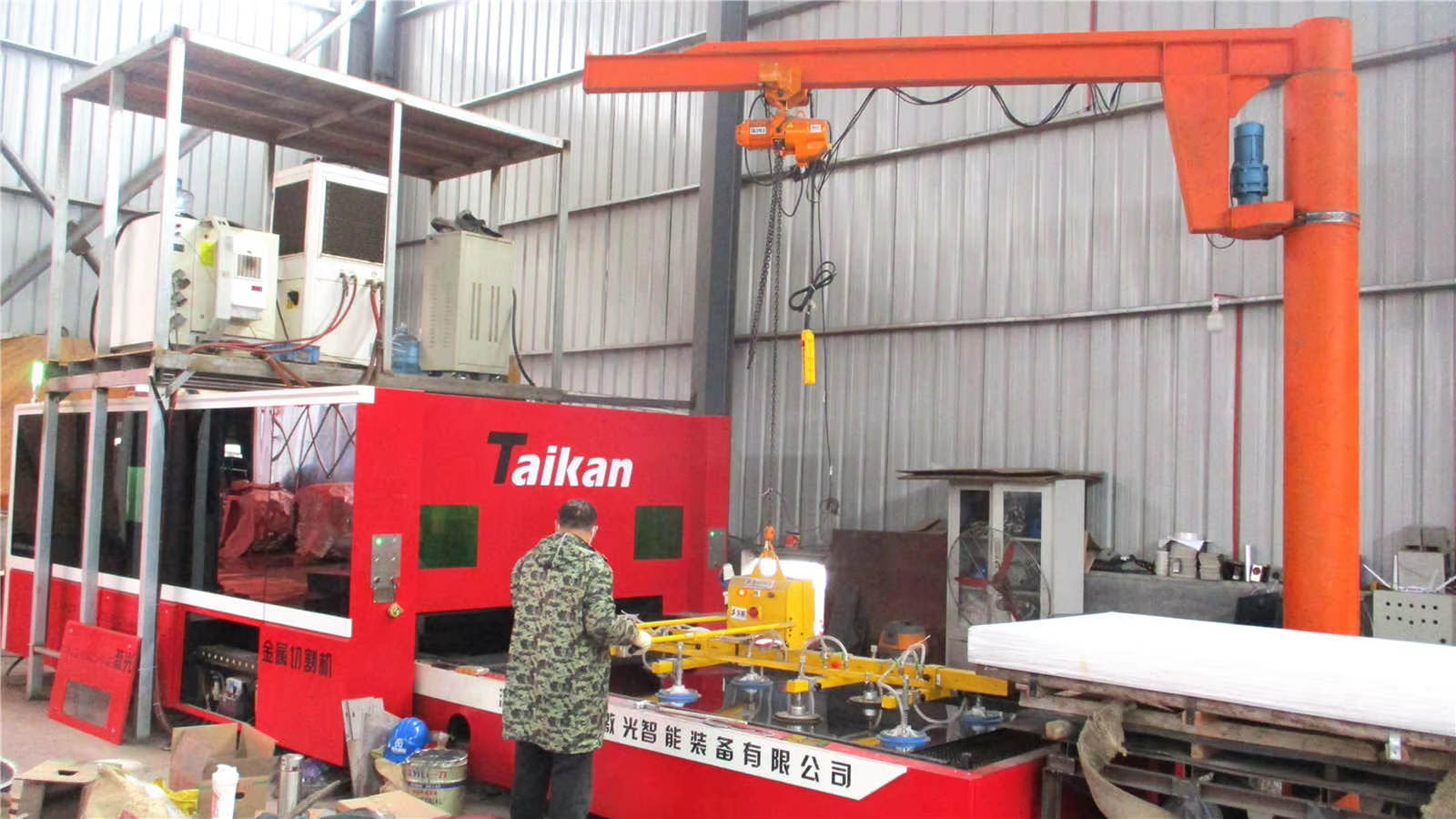 Cutting
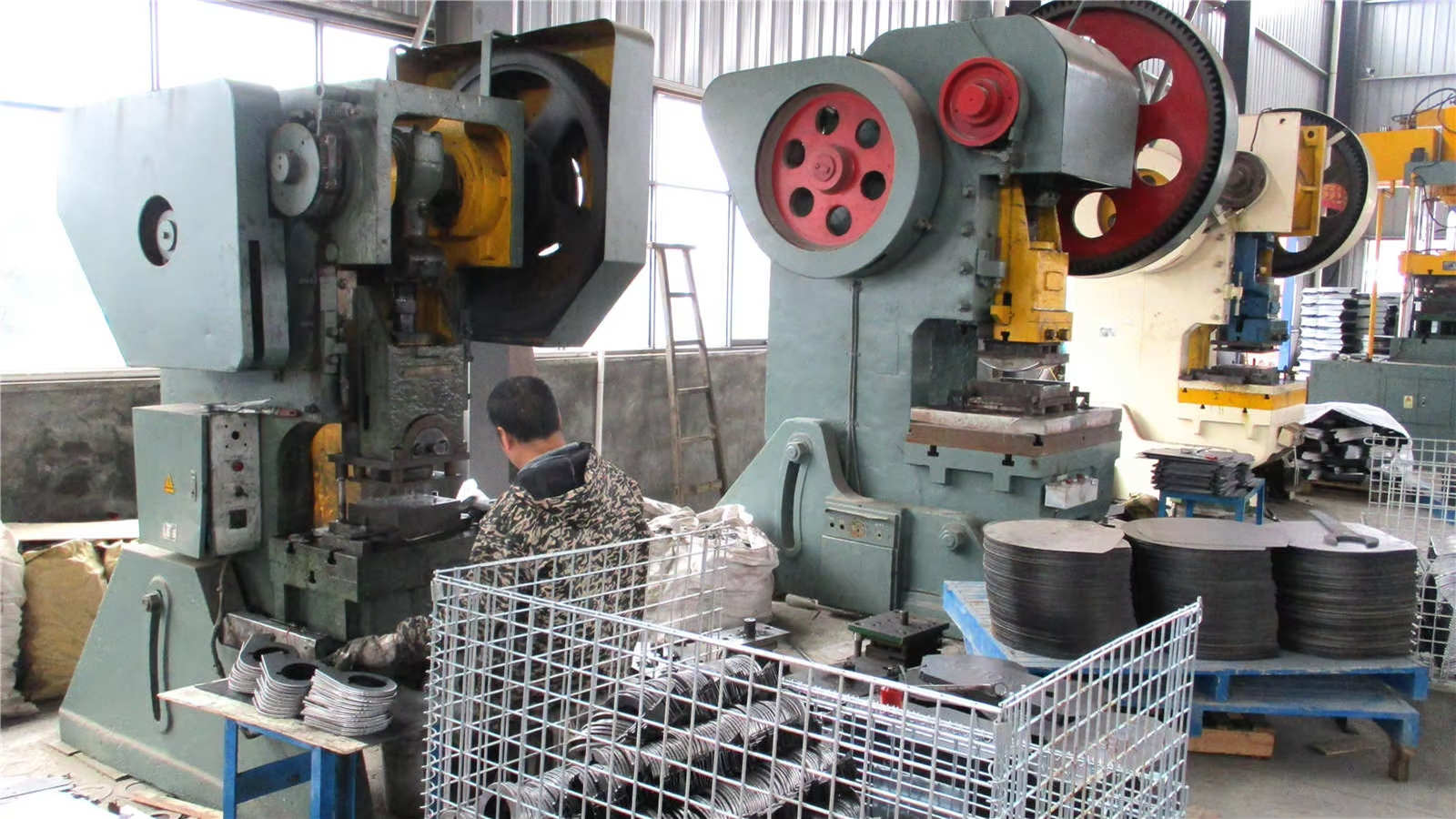 Punching
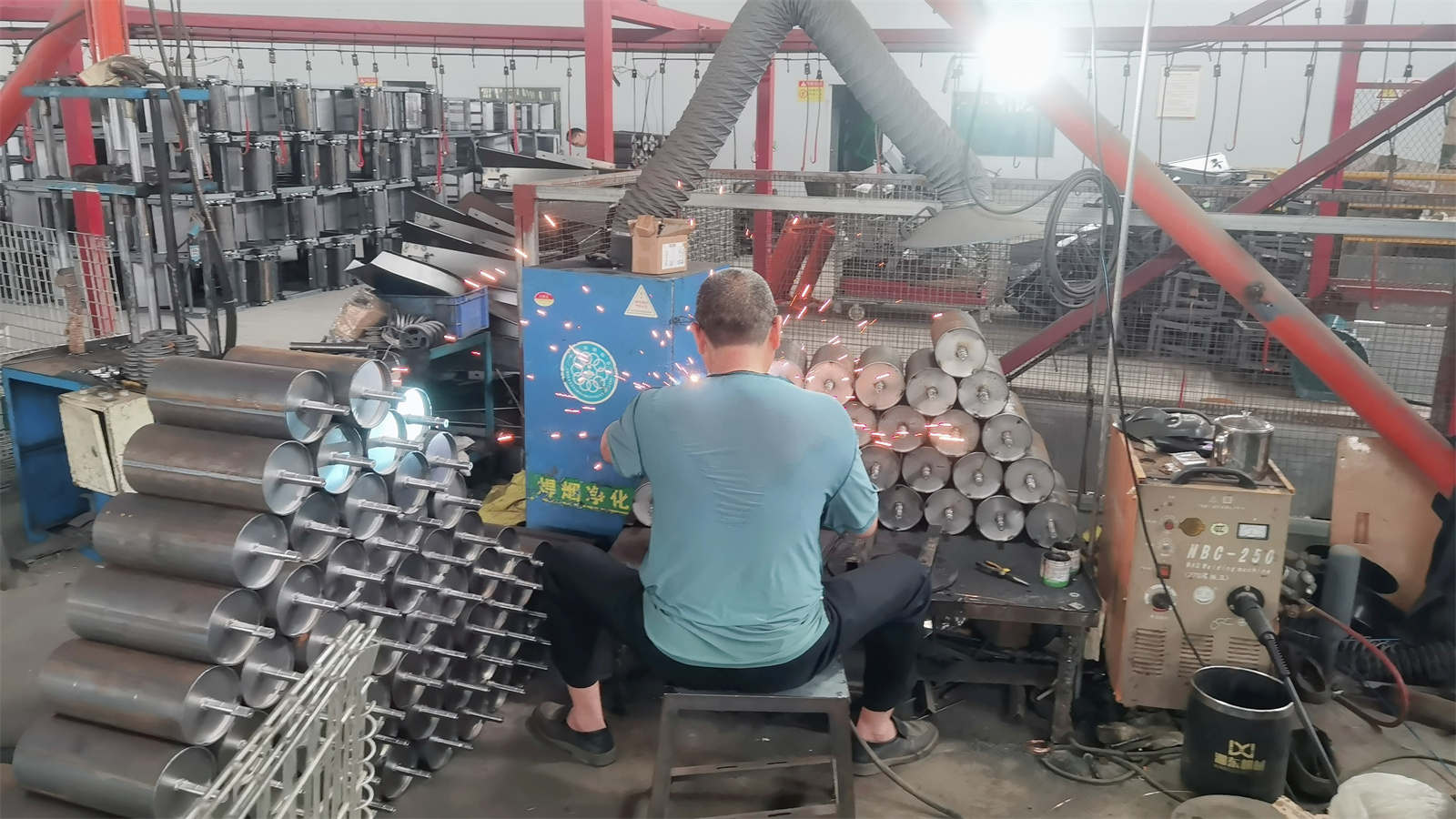 Welding
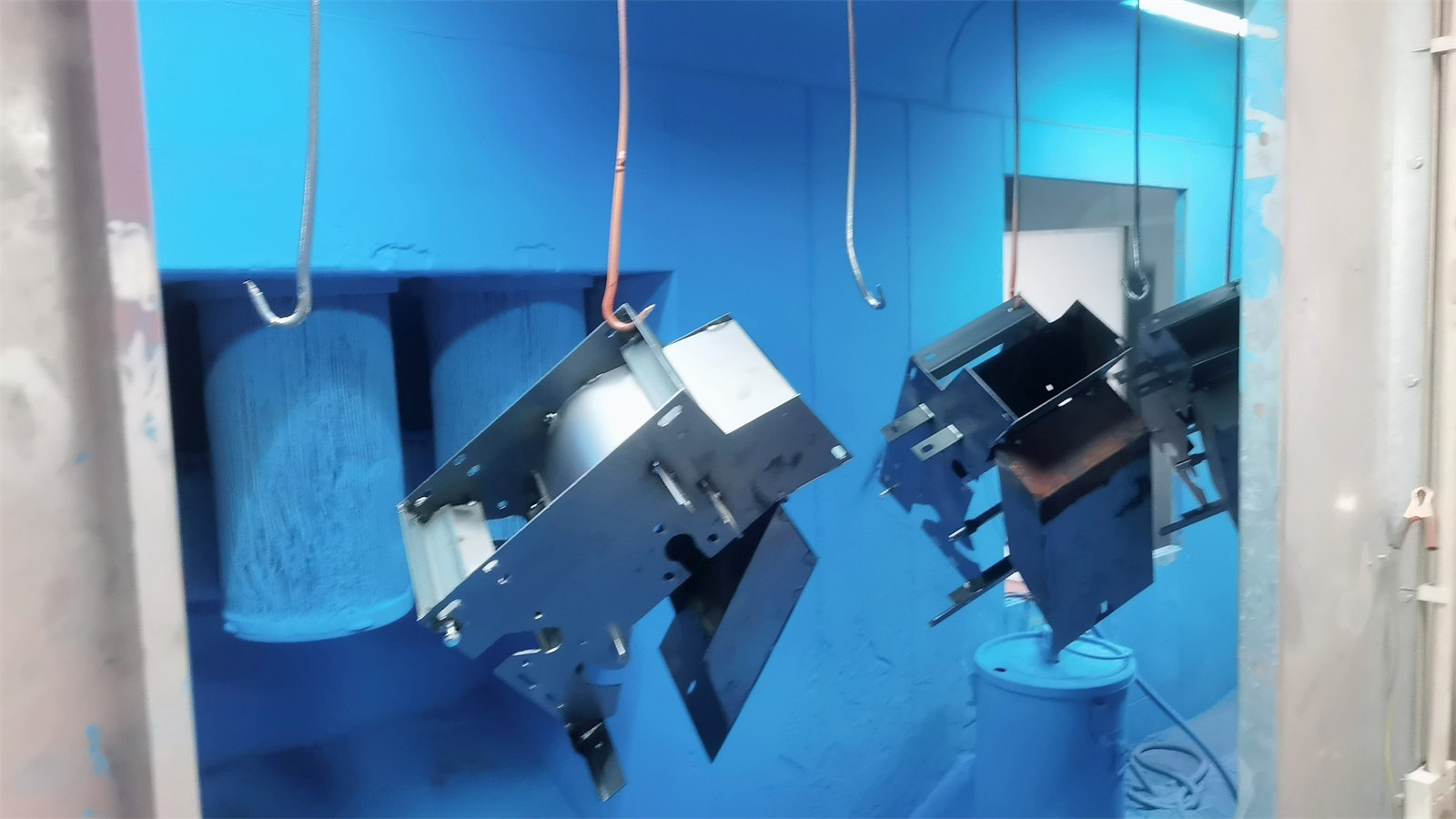 Painting
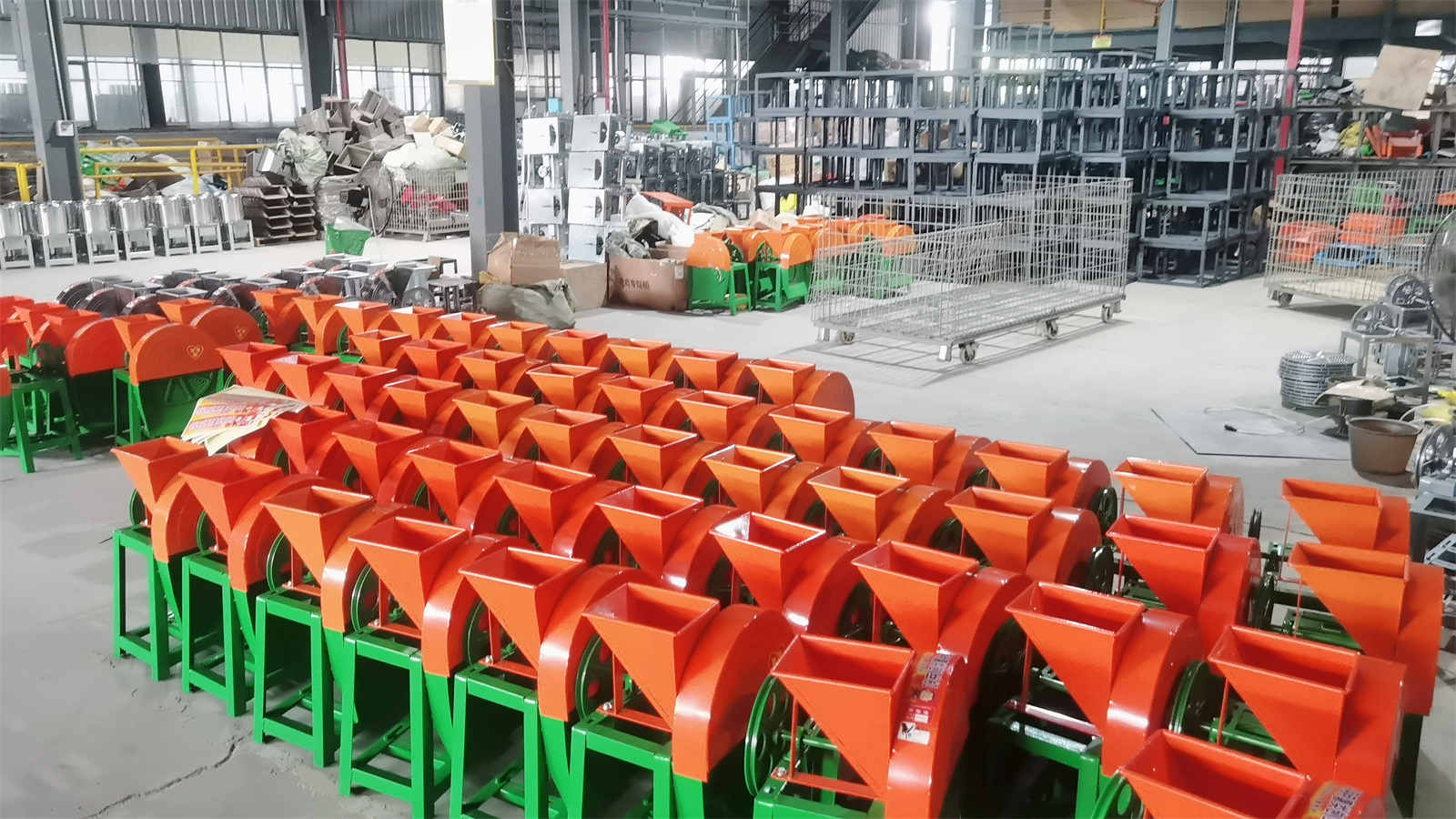 Assembling
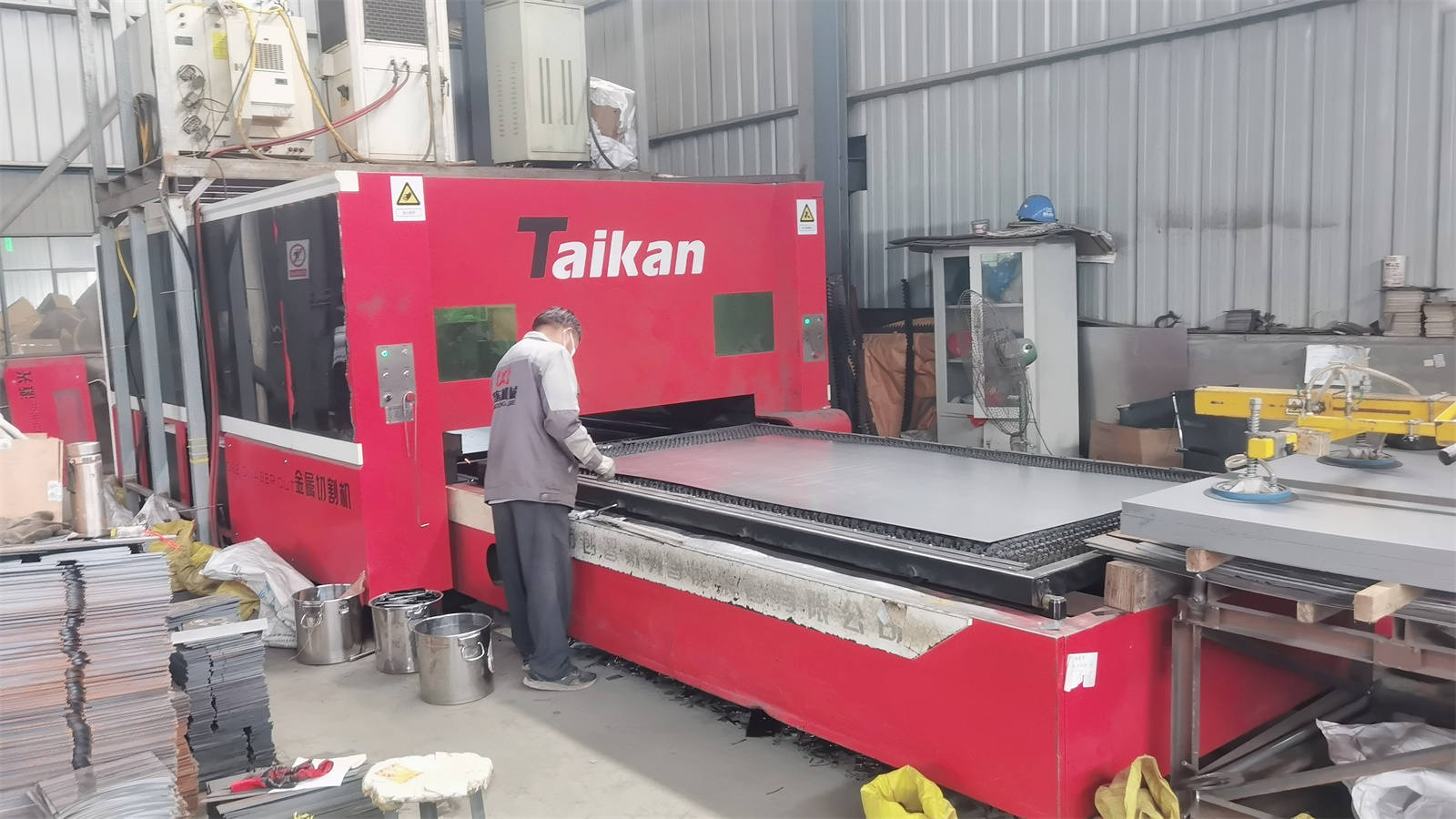 Laser Cutting Machine
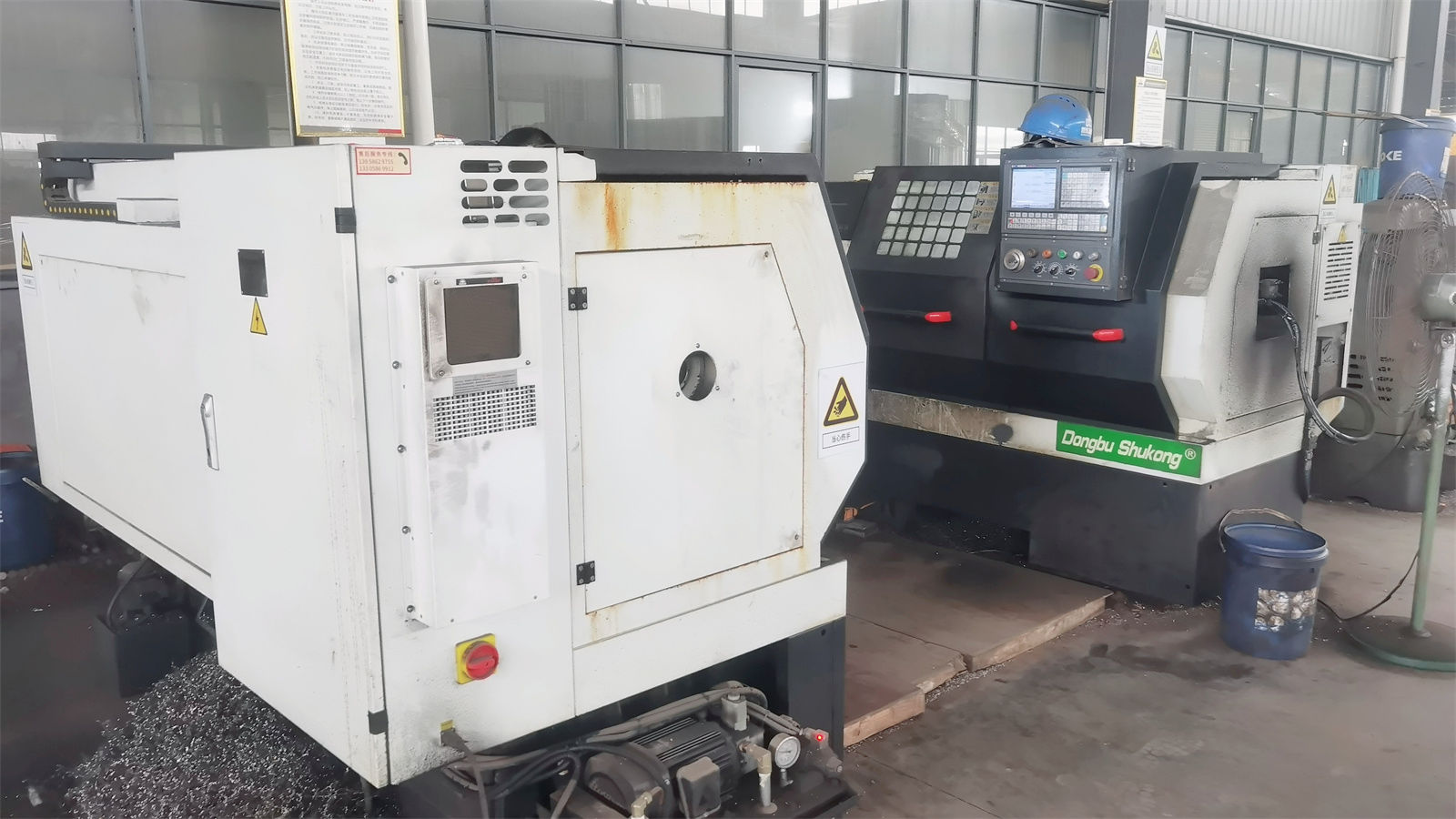 CNC Lathe
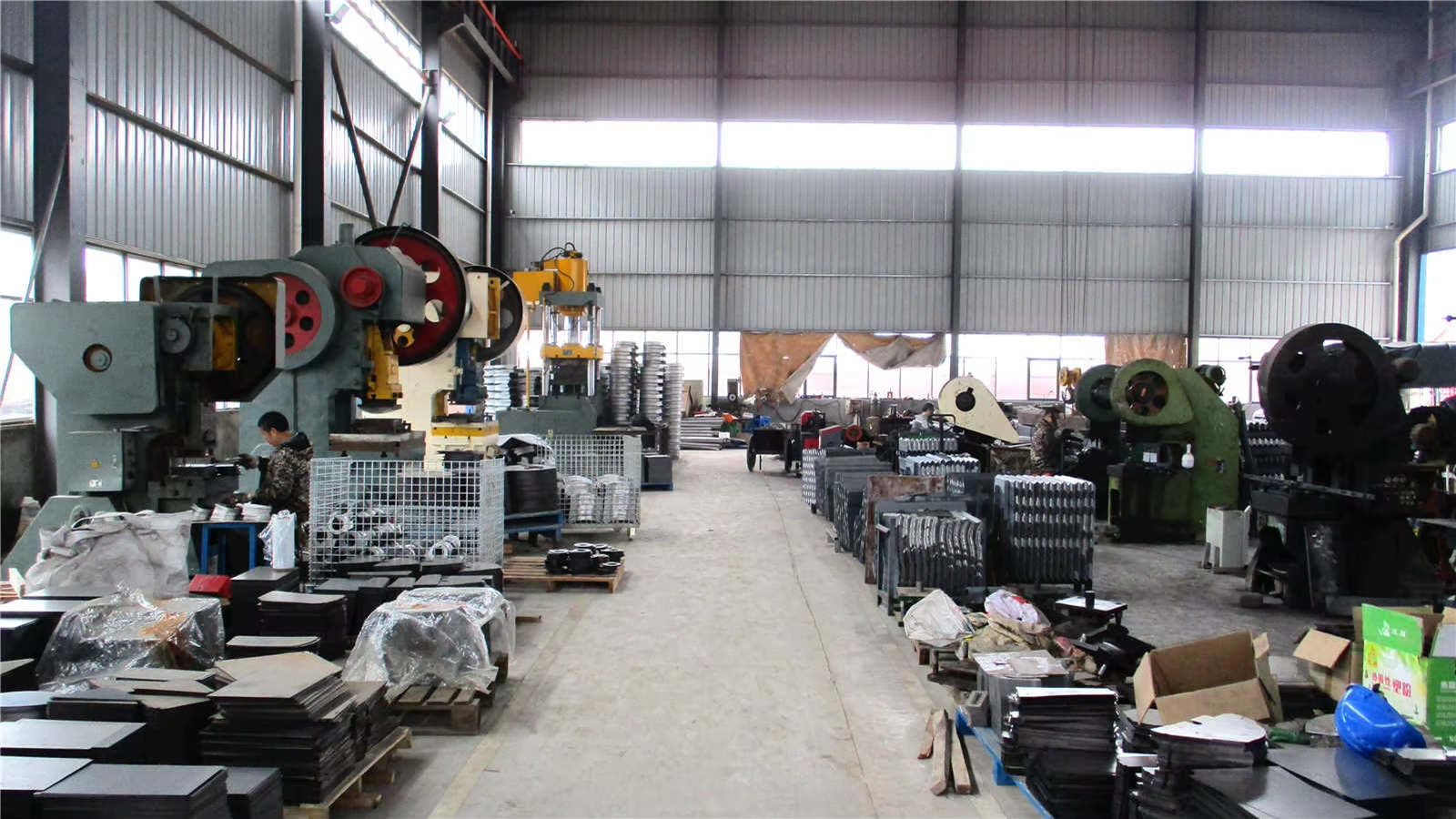 Punching Machine
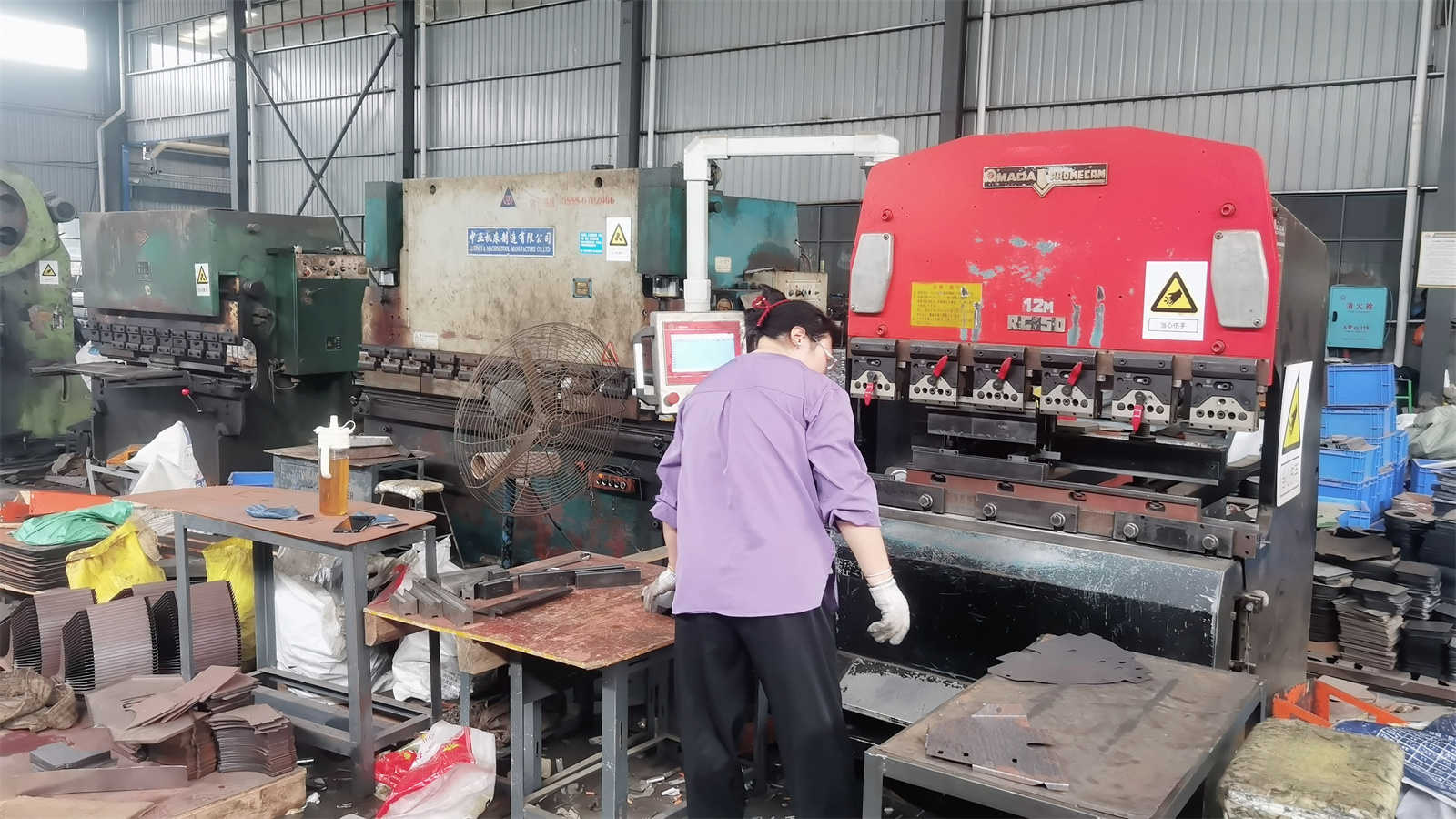 Bending Machine
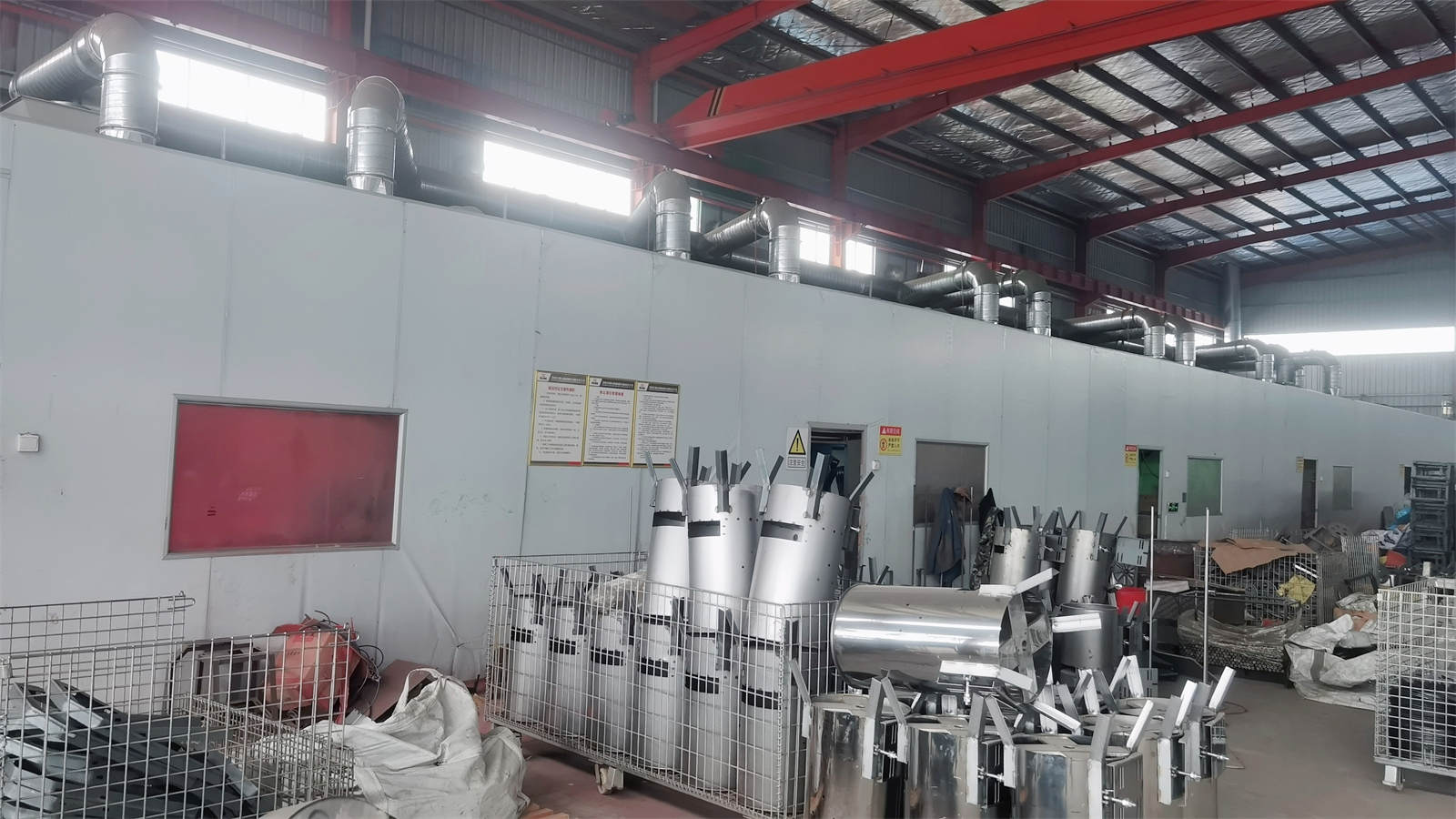 Painting Line
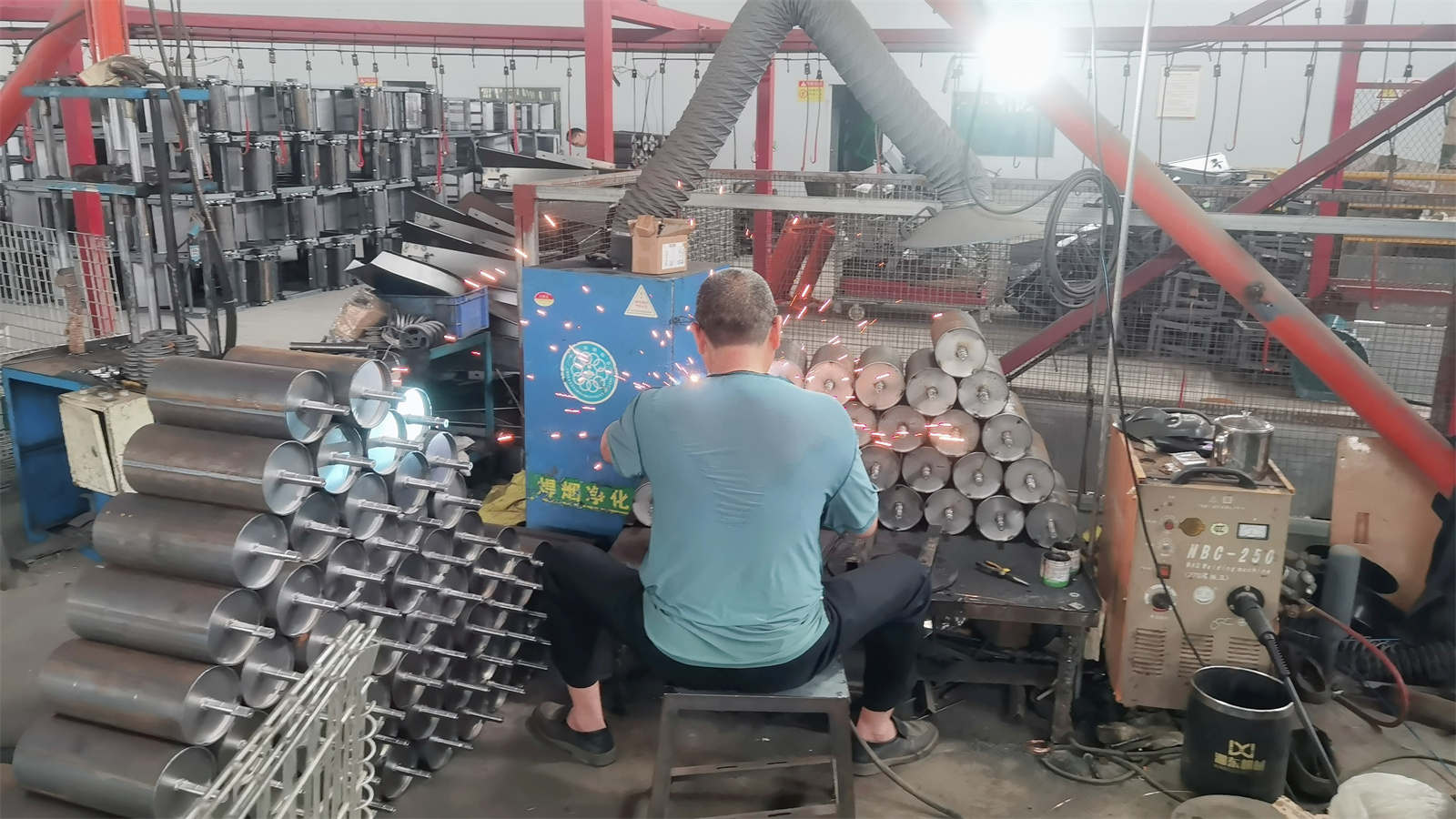 Welding Machine
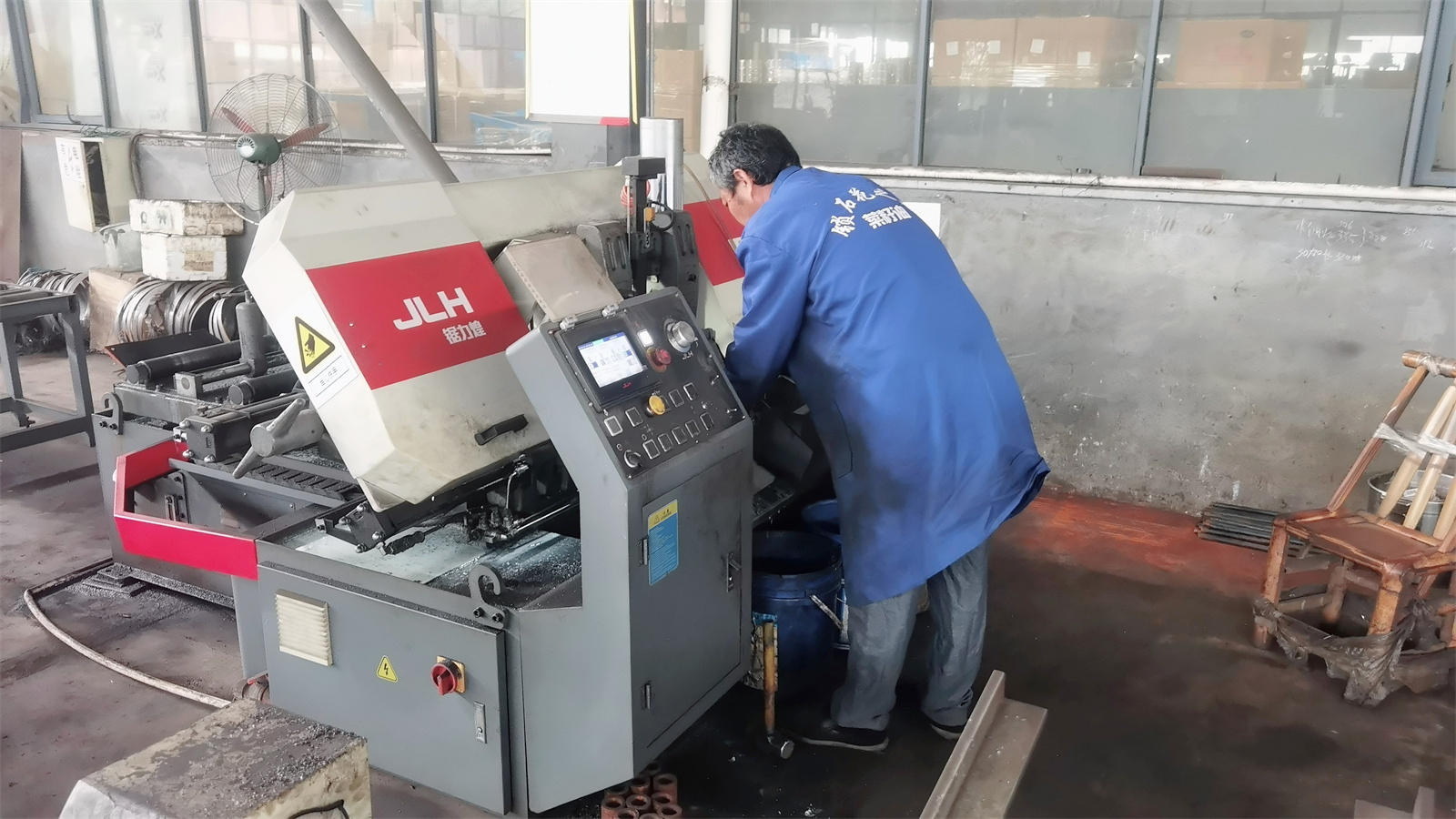 Sawing Machine
To deliver equipment that stands up to continuous industrial use, Henan Jiujie Machine Co., Ltd. focuses on technological innovation and continuous improvement of manufacturing capability and product quality. We have introduced a series of advanced processing equipment, including CNC laser cutting machines, CNC bending machines, and CNC lathes.
In addition, we are equipped with CNC machining centers, CNC boring machines, surface grinding machines, planers, and other high-precision manufacturing equipment. We have also established an electrostatic spraying production line to further enhance product surface quality and durability. Our manufacturing processes include steel plate laser cutting, CNC bending, CO₂ arc welding, argon arc welding, robotic welding, and electrostatic surface treatment. These advanced production technologies ensure consistent product quality and continuous innovation.
As a professional industrial solution provider, Henan Jiujie Machine Co., Ltd. delivers not only equipment but also comprehensive production solutions that enhance the overall value chain for our customers. By utilizing AutoCAD-based engineering design systems and advanced machining centers, we are able to provide high-precision, durable products at competitive prices.
We are committed to offering complete pre-sales consultation, technical support, and reliable after-sales service. Customer satisfaction is always our top priority. We sincerely welcome partners and friends from all over the world to contact us and cooperate for mutual success.
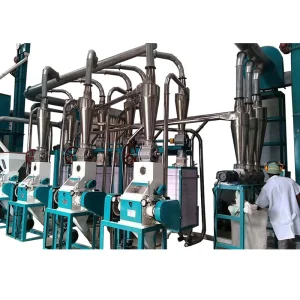
Setting up an industrial milling facility requires careful system integration. A well-designed milling plant matches the throughput capacity of each stage—from intake to packaging—to prevent bottlenecks and maintain continuous operation.
Using steel silos with real-time temperature sensing keeps stored grain stable and prevents spoilage prior to processing.
Gravity separators and air aspirators remove stones, chaff, and low-density grains without using water, protecting downstream milling machinery.
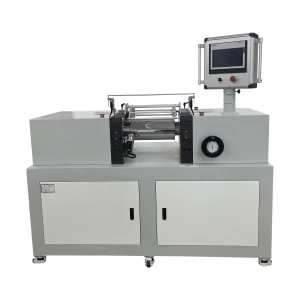
Roller mills and vibrating sifters grind and classify grain fractions, maintaining consistent ash and flour grade specifications.
Our engineering services help integrate these processes seamlessly, allowing operators to easily monitor parameters like energy consumption, air pressure differentials, and yield percentages. This level of system control helps flour exporters meet the tight quality standards required by international buyers.
Find answers to common questions about flour milling processes, quality control standards, and equipment maintenance.
Waterless cleaning uses gravity separators and air aspirators to clean grain. This dry method saves water, eliminates wastewater treatment costs, and prevents mold or bacterial growth during conditioning.
These cables monitor temperatures throughout the silo, detecting the heat generated by pest activity or localized moisture buildup. This early warning system allows operators to run aeration fans or turn the grain before spoilage occurs.
Our equipment is certified under the ISO9001 quality management system and CE guidelines, ensuring compliance with international manufacturing and safety standards.
Consistent particle size distribution determines flour baking performance, water absorption rates, and overall product uniformity. Precise sieving and test sifting machinery ensure these parameters remain consistent batch after batch.
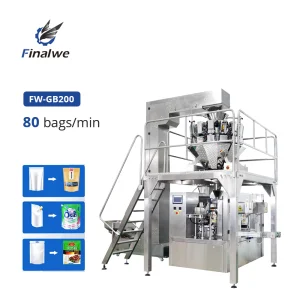
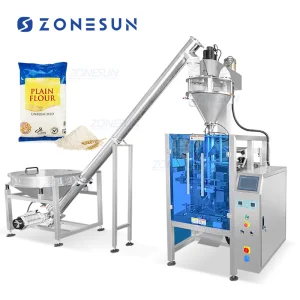
Complete the manufacturing line with high-precision auxiliary and packing equipment designed for reliability and dust control.
 Jiujie Machine