When a recipe calls for flour, the choice can quietly shape the entire bake. Self-rising flour is not simply standard flour with a different label. It contains a measured blend of flour, baking powder, and salt. Standard flour contains none of those added leavening ingredients.
Baker and food writer PJ Hamel of King Arthur Baking explains, “Self-rising flour is flour that already contains baking powder and salt.” This built-in mixture changes how dough behaves when liquid and heat enter the process. Biscuits may rise more evenly, while pancakes can develop a lighter, softer center. The result depends on freshness, mixing, and the recipe’s proportions.
So, why is self-rising flour blending different from standard flour? The answer begins with distribution. In self-rising flour, the raising agent and salt are dispersed throughout the bag before baking starts. With standard flour, the baker measures each ingredient separately. That offers more control, but it also creates room for small errors. A half-teaspoon too much baking powder can leave a bitter taste. Too little may produce a dense biscuit.
The distinction sounds simple. It is not always simple in practice. Humidity, storage time, and vigorous stirring can change the final texture. I have found that self-rising flour feels convenient, yet convenience can hide assumptions. It may not suit every recipe. A careful baker still checks the label, measures gently, and avoids adding extra salt or leavening without a clear reason. This guide examines those differences through ingredient ratios, mixing behavior, and practical kitchen results.
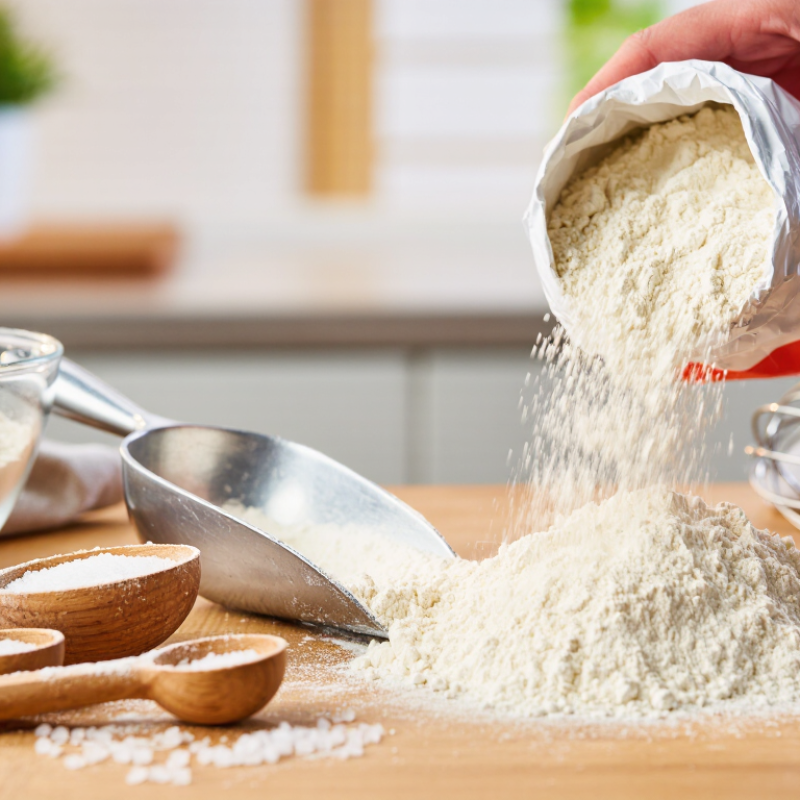
Self-rising flour differs from standard flour because it already contains chemical leavening and salt. Standard flour is mainly milled wheat, while self-rising flour is a prepared baking mixture. That difference changes both texture and seasoning.
What self-rising flour contains is fairly simple: wheat flour, baking powder, and salt. Professional baking formulas commonly add about 1½ teaspoons of baking powder and ½ teaspoon of salt per cup of flour, although manufacturers may adjust these amounts. Baking powder releases carbon dioxide when moistened and heated. Those bubbles expand inside dough, creating a softer crumb and more lift. The flour supplies gluten-forming proteins, which help hold that structure.
Nutrition data requires closer attention. USDA FoodData Central entries show that self-rising flour generally contains more sodium than plain flour because salt and sodium-based leaveners are added. The FDA lists 2,300 milligrams as the Daily Value for sodium, so repeated use can matter in savory baking. Exact figures vary by recipe and processing method. That variation is easy to overlook. A recipe written for standard flour may become too salty or rise unevenly when self-rising flour replaces it. Extra baking powder can also produce a bitter taste, coarse holes, or a collapsed center. From practical kitchen testing, weighing the flour and checking the ingredient panel gives more reliable results than trusting the label “self-rising” alone.
Self-rising flour is not simply standard flour with extra lift. Its composition includes flour, baking powder, and salt. Standard flour usually contains only milled wheat, with optional enrichment nutrients. According to USDA FoodData Central entries, plain white flour generally provides about 10–13 grams of protein per 100 grams. That protein forms gluten when mixed with water. The gluten network gives bread and pastries structure.
Self-rising flour already carries chemical leavening agents. A typical formulation may contain roughly 1½ teaspoons of baking powder and about ¼ teaspoon of salt per cup, although manufacturers can vary the ratio. USDA FoodData Central records also show that self-rising flour often contains substantially more sodium than standard flour. The difference matters when a recipe adds baking powder or salt separately. The FDA lists 2,300 milligrams as the daily sodium value, so small measuring errors can accumulate.
In my kitchen, the mistake is easy to make. I once used self-rising flour in biscuits designed for plain flour. The centers rose quickly, then tasted sharp and overly salty. Standard flour offers more control over protein, salt, and leavening. Still, “standard” does not mean identical. Protein levels, milling, and enrichment can differ by region and product type. The American Association of Cereal Chemists International recognizes these variables in flour testing methods. A careful baker should read the ingredient panel, not trust the label alone.
Self-rising flour differs from standard flour because it already contains leavening agents and salt. A common formulation combines one cup of flour with about 1½ teaspoons of baking powder and ½ teaspoon of salt. Baking powder releases carbon dioxide when mixed with moisture and heated. Those bubbles expand inside the dough, creating lighter biscuits, pancakes, and quick breads.
Salt does more than add flavor. It strengthens gluten, slows yeast activity, and helps control the final texture. The U.S. Food and Drug Administration recommends limiting daily sodium intake to less than 2,300 milligrams for most adults. USDA FoodData Central records also show that sodium levels can vary among self-rising flour products. Check the nutrition panel carefully. Small differences matter in repeated baking.
Using self-rising flour with extra baking powder may produce a bitter taste or a coarse crumb. Extra salt can make the result harsh. I have found that recipes often hide this risk in a single line. That assumption deserves questioning. Humidity, storage time, and measuring technique can also change performance. For predictable results, weigh the flour and reduce added salt and leavening when the recipe already includes them. Not perfectly foolproof. Still, it is more reliable.
Self-rising flour contains flour, baking powder, and salt. Standard flour contains only milled wheat. That difference affects both texture and seasoning. A biscuit made with self-rising flour may rise faster and taste lightly salted. Standard flour needs added leavening.
For each cup of standard flour, add about 1½ teaspoons of baking powder and ¼ teaspoon of salt. Whisk them together before adding liquid. This spreads the raising agent evenly through the mixture. Measure the flour carefully, because extra flour can make cakes heavy and dry. I prefer weighing it when possible, although a level cup can work.
The reverse substitution needs more care. Replace one cup of self-rising flour with one cup of standard flour, then add the same baking powder and salt amounts. Check the original recipe first. It may already include these ingredients. Adding them twice can create a bitter taste or a fragile crumb. Not every recipe responds perfectly. Pancakes, biscuits, and quick breads usually tolerate the change, but delicate pastries may need testing. Make a small batch first. Pay attention to browning, spread, and firmness after cooling.
Self-rising flour is standard flour with baking powder and salt already blended in. Standard flour gives you control over every ingredient. This matters when choosing flour for different recipes. USDA FoodData Central lists all-purpose flour at about 10.3 grams of protein per 100 grams, although entries and milling styles vary. That protein forms gluten, which affects chewiness and structure. Self-rising flour may use a similar base, but its added leavening changes the recipe’s balance.
Choose self-rising flour for quick biscuits, pancakes, scones, and tender dumplings. It saves measuring time and can produce a softer crumb. However, its rising strength can decline after long storage. Standard flour suits bread, pizza dough, cookies, and cakes with carefully measured ingredients. For yeast bread, self-rising flour can create excess salt and unpredictable expansion. Baking powder levels also differ among regional formulations. Read the package label.
Tips: Use a kitchen scale when possible. The U.S. Department of Agriculture notes that one cup of flour can vary significantly by packing method. Weighing reduces that uncertainty. If replacing self-rising flour, add approximately 1½ teaspoons of baking powder and ¼ teaspoon of salt per cup of standard flour, then adjust carefully. I have found this useful, but it is not universal. Humidity, flour age, and oven temperature still matter. A recipe can look simple and behave stubbornly. Test a small batch before serving guests.
Self-rising flour is standard wheat flour blended with baking powder and salt. The chart shows the typical amount of added leavening ingredients found in one U.S. cup of each flour type. Formulations can vary slightly.
How to choose: Use self-rising flour for quick breads, biscuits, pancakes, and other recipes that already suit a pre-mixed leavening system. Use standard flour when a recipe specifies its own amounts of baking powder, baking soda, and salt, or when you need precise control over texture and flavor.
Standard flour usually contains milled wheat and optional nutrients. Self-rising flour also contains baking powder and salt. It is pre-seasoned and pre-leavened.
Its baking powder releases carbon dioxide during mixing and heating. The bubbles can create lighter biscuits, pancakes, and quick breads. The rise may happen faster than expected.
Yes. Add about 1½ teaspoons of baking powder and ¼ teaspoon of salt per cup. Whisk them evenly into the flour before adding liquid. Measure twice.
Usually, replace one cup of self-rising flour with one cup of standard flour. Then add the appropriate baking powder and salt. Check the recipe carefully.
The baked food may rise quickly, then collapse or develop a coarse crumb. Too much can create a bitter or sharp taste. The texture may feel fragile.
Self-rising flour already contains salt, though amounts vary by product. Additional salt can make biscuits taste harsh. Small errors accumulate.
Weighing flour usually provides better control than filling a cup loosely. Extra flour can make cakes heavy and dry. A level cup works, but not perfectly.
Pancakes, biscuits, and quick breads usually tolerate substitutions fairly well. Delicate pastries may react to small changes in flour, salt, or leavening. Test a small batch.
No. Protein levels, milling methods, and enrichment can vary by region and product. Protein forms gluten when mixed with water. The label deserves a closer look.
Read the ingredient and nutrition panels for baking powder and sodium content. Do not rely only on the flour name. Storage, humidity, and measuring technique also affect performance.
Self-rising flour is different from standard flour because it already contains a carefully measured combination of flour, baking powder, and salt. This built-in leavening mixture helps baked goods rise without requiring separate additions. Standard flour, by contrast, is more basic and gives the baker greater control over the amount of raising agent and salt used in a recipe. Understanding why is self-rising flour blending different from standard flour can help prevent problems such as overly dense, salty, or unevenly risen results.
The two types of flour can sometimes replace each other, but adjustments are necessary. When using standard flour instead of self-rising flour, baking powder and salt usually need to be added according to the recipe. When using self-rising flour in place of standard flour, extra leavening and salt should generally be reduced or omitted. Self-rising flour is convenient for biscuits, pancakes, and quick breads, while standard flour is often better for recipes that require precise control, including yeast breads, cakes, cookies, and pastries.

Jiujie Machine