Why Does Flour Temperature Rise During Milling Process?

Time:2026-07-09 Author:Sophia
0%

Flour milling is a crucial process in grain production. Many factors affect flour quality. One key aspect is temperature. Why does flour temperature rise during the milling process? This question highlights the interplay between mechanical action and heat generation.

During milling, grains undergo significant physical changes. The grinding action creates friction, which generates heat. As the flour particles are crushed and broken down, energy is released. The environmental conditions also play a role. High humidity can increase heat retention, leading to elevated temperatures.

Understanding why does flour temperature rise during the milling process is essential. Increased temperatures can alter flour properties, impacting baking performance. It is vital to consider how heat affects enzymes and proteins in the flour. Effective milling requires balancing these factors to ensure high-quality flour.
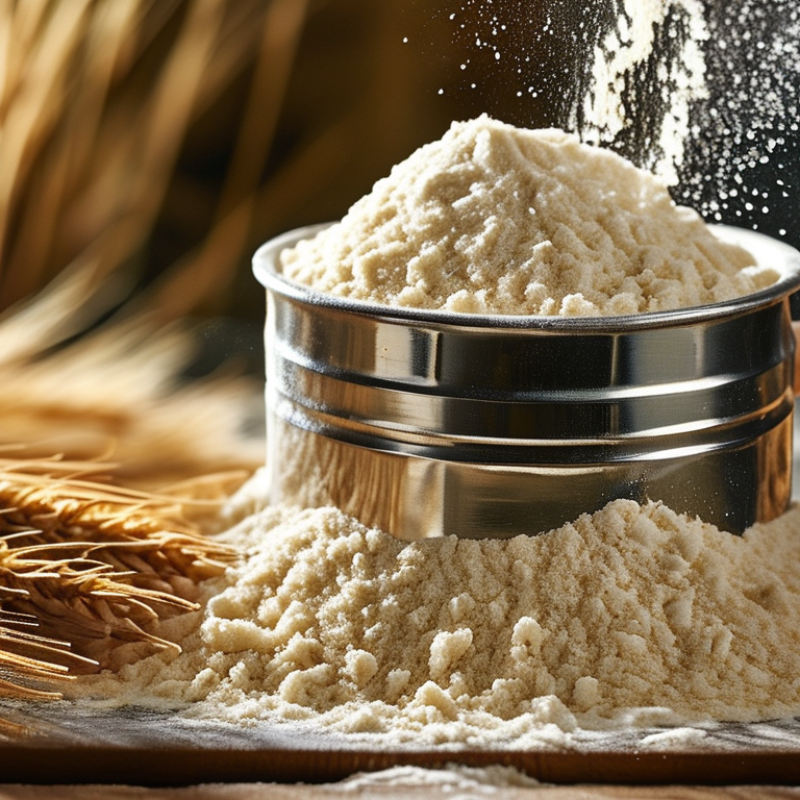
Why Does Flour Temperature Rise During Milling Process?

Understanding the Milling Process and Its Impact on Flour Temperature

The milling process is a fascinating yet complex operation. During milling, grains are transformed into flour through mechanical means. This process generates heat, elevating the flour's temperature. According to industry reports, temperature rises can reach up to 30 degrees Celsius, which can impact flour properties.

Heat is produced by friction and shear forces as grains are ground. The moisture content of the wheat also plays a crucial role. Higher moisture may reduce heat generation, while lower moisture increases it. A study published in the Journal of Cereal Science indicates that optimal flour temperatures should ideally remain below 25 degrees Celsius for quality preservation. Exceeding this threshold can lead to protein denaturation and reduced baking performance.

Moreover, various milling techniques exhibit different heat profiles. For instance, stone milling tends to produce lower temperatures than roller milling. Each method has its benefits and drawbacks, depending on desired flour characteristics. A balance must be struck to ensure quality flour while managing temperature throughout the milling process. Understanding these intricacies becomes essential for millers seeking optimal product outcomes.

Key Factors Contributing to Temperature Rise During Milling

During the milling process, flour temperature rises due to various factors. Heat generated from friction is the primary contributor. As grains are ground, the particles collide with the mill surfaces, producing heat. Reports show that temperature can increase by 10 to 20 degrees Celsius in a single milling session. This excess heat can influence flour quality, affecting its baking performance and shelf life.

Another significant factor is the moisture content of the grain. Higher moisture can lead to more heat generation during milling. Studies indicate that optimal moisture levels for milling should remain between 12% and 14% to prevent excessive temperature rise. If moisture levels surpass this range, it can result in clumping and reduced flour quality.

**Tip:** Regularly monitor the moisture content of grains before milling. This helps maintain optimal temperature during the process.

Additionally, mill settings play a crucial role. Fine particles require more power to grind, increasing friction and heat. Misalignment in mill components can also escalate temperature. Operators must ensure that machinery is well-maintained for efficiency.

**Tip:** Conduct routine checks on equipment alignment to minimize unnecessary heat buildup.

Understanding these factors helps improve milling practices. It’s essential to balance efficiency and quality for better flour production. Regular assessments can mitigate excessive heat and enhance overall results.

Why Does Flour Temperature Rise During Milling Process? - Key Factors Contributing to Temperature Rise During Milling

Factor Description Impact on Temperature Rise
Particle Size Reduction The process of grinding grains into finer particles. Increases friction and generates heat.
Shear Force The force applied to create movement between flour particles. Contributes to heat due to mechanical energy conversion.
Moisture Content The amount of water present in the grain. High moisture can lead to increased temperatures during milling.
Equipment Speed The speed at which milling equipment operates. Higher speeds increase friction, raising flour temperature.
Milling Time Duration of the milling process. Longer milling times can cause greater temperature increases.
Type of Mill Different milling technologies (e.g., stone, roller). Each type influences heat generation differently.

The Role of Friction in Raising Flour Temperature

During the milling process, friction plays a critical role in increasing the temperature of flour. As grains are ground, the energy released from friction generates heat. This can vary depending on the type of milling equipment used and the speed of the process. Research shows that flour temperatures can rise significantly, sometimes exceeding 60°C. High temperatures might affect flour quality, impacting baking performance and nutrient retention.

The heat generated during milling is not just a byproduct; it's a crucial factor that millers must monitor. Understanding friction dynamics can lead to better milling practices and improved flour quality. The choice of milling equipment can significantly affect how much heat is produced. For example, slow-speed grinders typically cause less friction and subsequent heat than high-speed ones.

Tips: Maintain lower milling speeds when possible. This practice helps minimize excess heat generation. Consider implementing temperature monitoring systems for real-time analysis during production. Also, choose equipment designed to manage heat dissipation effectively. Ultimately, finding a balance between efficiency and temperature control is vital for achieving optimal flour quality.

Moisture Content and Its Influence on Flour Temperature

During the milling process, flour temperature rises due to various factors. One critical element is moisture content. When grain is milled, heat is generated by the friction of the milling equipment. If the moisture content is too high, this can lead to excessive heat. Flour with about 14% moisture is optimal for milling. Too little or too much moisture can disrupt the milling process.

High moisture content can increase flour temperature significantly. This can lead to changes in the flour's quality, affecting baking performance. It's important to maintain the right moisture levels. Flour that is too hot may lose essential nutrients. Baking qualities may also diminish.

Tips: Monitor moisture levels regularly. Consider using dehumidifiers in storage areas. Always test flour temperature before milling. This will help achieve the best flour quality. Also, check the milling equipment for wear. Worn equipment can produce excess heat, compounding the moisture issue. Keeping everything in check is essential. Small adjustments can lead to better outcomes.

Methods to Manage Flour Temperature During Milling

During the milling process, flour temperature can rise due to multiple factors. A key aspect is the friction generated during grinding. The faster the milling speed, the higher the temperature becomes. High temperatures can affect flour quality, impacting its baking performance. Managing this temperature is crucial for achieving desired flour characteristics.

One effective method to control flour temperature is by adjusting the milling speed. Slower speeds may reduce friction and, consequently, temperature. Additionally, using cooling systems within mills can help dissipate heat. Water spraying is another technique; it not only cools but also adds moisture. However, excessive moisture can lead to negative outcomes, like spoilage or reduced shelf life.

Maintaining an ideal temperature requires delicate balancing. While cooling is important, overly damp flour can cause challenges in processing and storage. Millers often face this dilemma: how to keep flour cool without adding too much moisture. Regular monitoring of temperature during milling is essential. Knowledge of milling conditions can provide insights into optimal parameters for producing high-quality flour.

FAQS

: What causes flour temperature to rise during milling?

: Flour temperature rises due to friction and shear forces generated while grinding grains.

How much can flour temperature increase during milling?

Temperature can rise by 10 to 30 degrees Celsius in a single milling session.

What role does moisture content play in milling?

Higher moisture content can reduce heat generation, while lower moisture increases flour temperature.

What is the ideal moisture level for milling grains?

Optimal moisture levels for milling should remain between 12% and 14%.

How does milling technique affect flour temperature?

Different milling techniques create varying heat profiles; stone milling tends to be cooler than roller milling.

Why is it important to monitor flour temperature?

Excessive heat can lead to protein denaturation and impact baking performance.

What can happen if flour temperature exceeds 25 degrees Celsius?

Higher temperatures may reduce baking performance and compromise flour quality.

How can equipment affect milling temperature?

Worn or misaligned equipment can generate excess friction and heat during milling.

What are some tips for maintaining optimal milling conditions?

Regularly monitor moisture levels and check equipment alignment to avoid heat buildup.

What small adjustments can improve flour quality?

Routine assessments of moisture and equipment can lead to better milling outcomes.

Conclusion

The article titled "Why Does Flour Temperature Rise During Milling Process?" delves into the intricate milling process and its effects on flour temperature. It begins by exploring the milling process itself and how mechanical and thermal elements interplay to influence the final temperature of the flour. Key factors such as the speed of milling equipment, the duration of the milling process, and the friction generated during the grinding stages are discussed as significant contributors to temperature increases.

Additionally, moisture content plays a critical role in how flour temperature is affected; higher moisture levels can lead to changes in heat generation during milling. The article also presents various methods to manage and mitigate temperature rise, ensuring that flour quality is preserved during production. Understanding "why does flour temperature rise during the milling process" is essential for optimizing milling practices and maintaining the desired properties of flour.

Sophia

Sophia

Sophia is a dedicated marketing professional with an exceptional depth of knowledge about her company's products and services. With a keen understanding of market trends and customer needs, she crafts insightful blog posts that not only inform but also engage readers, enriching the company’s online......