Why You Should Design an Automated Flour Blending System?

Time:2026-07-19 Author:Ethan
0%

In today's competitive food industry, the need for efficiency and consistency is vital. Automated flour blending systems offer an innovative approach to meet these demands. John Miller, a leading expert in food processing technology, emphasizes, “Automation in blending systems not only saves time but enhances product quality.” Understanding how to design an automated flour blending system can significantly improve operational performance.

Designing an automated system involves analyzing production needs and workflow efficiency. This process can be challenging; however, the benefits of improved accuracy and reduced labor costs are significant. An ideal system should include precise measuring devices, effective mixing techniques, and proper safety measures. Often, companies overlook the need for adaptability in the design, which can lead to future inefficiencies.

Investing in an advanced blending system may seem daunting. However, the long-term rewards of enhanced quality and productivity outweigh the initial complexities. Proper design is essential to achieving these outcomes. Engaging with industry experts can further guide the intricate process of how to design an automated flour blending system tailored to your specific requirements.
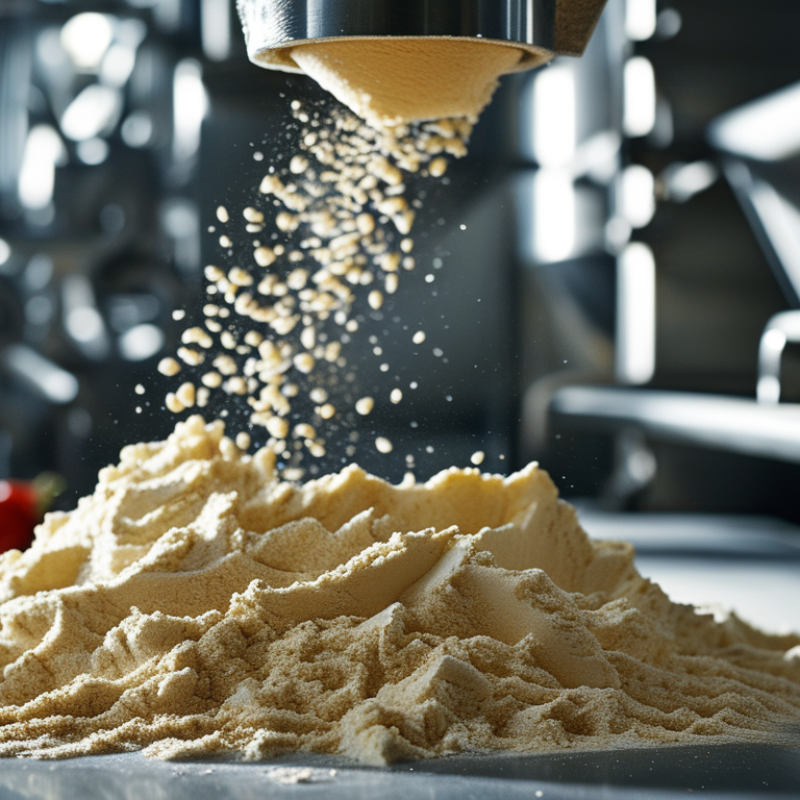
Why You Should Design an Automated Flour Blending System?

Benefits of an Automated Flour Blending System for Efficiency

An automated flour blending system enhances efficiency in production. It allows millers to achieve consistent and precise blends. According to a study by the Food Processing Industry, automation can reduce labor costs by up to 30%. This improvement translates to higher throughput and lower operational costs.

Implementing automation minimizes human error. Studies indicate that manual blending often results in a variance of 5% in flour composition. An automated system can maintain accuracy within 1%. This stability not only boosts product quality but also increases consumer trust.

Tips: Consider sensor technology for real-time adjustments. Monitoring quality throughout the blending process is vital. Investing in staff training can further improve system efficiency. Focus on regular maintenance of the equipment to avoid costly downtimes. Balancing automation with human oversight might also be beneficial to address unexpected challenges.

Key Features of Effective Automated Flour Blending Systems

Automated flour blending systems are transforming the food industry. Their key features significantly enhance efficiency and consistency. One essential aspect is the integration of advanced sensors. These sensors can measure moisture content and particle size in real-time, ensuring the perfect blend every time. Accurate measurements lead to better product quality, reducing waste.

Another important feature is user-friendly software. An intuitive interface allows operators to monitor the blending process easily. They can adjust recipes based on production needs. This adaptability is crucial, especially during peak demand periods. However, reliance on technology means that regular maintenance is necessary. Operators must stay vigilant to prevent breakdowns.

Moreover, data logging capabilities contribute to reliability. An effective system records each batch's parameters. This data can be analyzed for quality control. But some challenges remain. Operators should regularly review data for anomalies. This proactive approach can prevent future issues. The balance between automation and human oversight is vital for optimal results.

Cost Analysis: Initial Investment vs. Long-term Savings

Investing in an automated flour blending system can significantly impact your operations. The initial expense might seem daunting. However, it is essential to weigh this against your long-term savings. Traditional blending methods involve manual labor and time-consuming processes. These factors can lead to increased operational costs and potential errors.


When considering an automated option, the mechanics are simpler. Automated systems ensure consistency and efficiency. You can save on labor costs and reduce waste. Over time, these savings can offset the initial investment. However, there are potential issues. Maintenance costs can arise unexpectedly, impacting your budget.


Another detail to note is the training required for staff to operate new equipment. This may incur additional costs upfront. Despite these challenges, the benefits can outweigh the drawbacks when implemented correctly. The key is to analyze your specific operational needs and consider how automation can better serve those needs.

Impact on Product Quality and Consistency in Flour Blending

The impact of automated flour blending systems on product quality is significant. Consistency in flour blends is crucial for baked goods. Research indicates that over 80% of bakers prioritize consistency in their products. Variability can lead to uneven textures and flavors, necessitating precise blending methods.

Automated systems allow for precise measurements and adjustments. This technology minimizes human error, which often causes inconsistencies. A study found that automation can improve blend accuracy by up to 95%. High-quality flour blends result in superior baked products, increasing customer satisfaction.

However, the transition to automation isn’t without challenges. Staff may need training to operate new systems effectively. Resistance to change is common in traditional settings. Additionally, the initial investment is substantial. Balancing these aspects is essential for realizing the long-term benefits of automation in flour blending. Many organizations often overlook these factors, which can affect the overall success of implementation.

Implementation Challenges and Solutions for Automation in Flour Processes

Automated flour blending systems are transformative. They streamline processes, enhance accuracy, and reduce labor costs. However, implementing automation brings challenges. Many facilities face resistance from staff accustomed to traditional methods. Data shows that up to 30% of employees fear job loss with automation, creating a cultural barrier.

Another challenge lies in integrating new technologies with existing systems. Upgrading machinery often requires extensive downtime. Reports indicate that facilities can lose up to 20% of production during transitions. This hinders overall efficiency and can lead to financial losses.

**Tip:** Encourage staff involvement in the automation process. This creates a smoother transition and alleviates fears.

Technical issues also arise. Automated systems require regular maintenance to avoid breakdowns. According to industry data, nearly 25% of automation projects fail due to neglected upkeep. It’s crucial to schedule consistent maintenance checks and training for team members.

**Tip:** Create a maintenance log to track system performance regularly. This will help catch issues early.

Addressing these challenges is vital for successful implementation. Investing in training and maintenance can lead to substantial long-term benefits. As the industry evolves, overcoming these hurdles becomes essential for staying competitive.

Why You Should Design an Automated Flour Blending System? - Implementation Challenges and Solutions for Automation in Flour Processes

Challenge Description Solution Impact
Integration with Existing Systems Automated systems may not easily integrate with legacy software. Utilize middleware solutions to facilitate communication. Streamlined operations and data accuracy.
Calibration and Maintenance Automated systems require accurate calibration and ongoing maintenance. Implement a routine maintenance schedule and automated alerts. Reduced downtime and increased reliability.
Cost of Implementation Initial investment for an automated system can be high. Analyze long-term savings on labor and waste reduction. Improved profit margins over time.
Training of Staff Staff need training to operate and manage new technology. Develop training programs and ongoing support. Increased efficiency and reduced operational errors.

FAQS

: What are the key benefits of automated flour blending systems?

: They enhance efficiency and consistency in blending. Accurate measurements improve product quality and reduce waste.

How do sensors improve the blending process?

Advanced sensors measure moisture content and particle size in real-time, ensuring the perfect blend every time.

Is the software user-friendly for operators?

Yes, it features an intuitive interface that allows easy monitoring and recipe adjustments based on production needs.

What are the maintenance requirements for these systems?

Regular maintenance is crucial to prevent breakdowns and ensure smooth operation of the automated system.

How do automated systems affect operational costs?

They can save on labor costs and reduce waste, which offsets the initial investment over time.

What challenges might arise from automation?

Maintenance costs may arise unexpectedly, and staff may require training to operate new equipment effectively.

How does automation impact product quality?

Consistent blending minimizes human error and improves blend accuracy, leading to higher-quality baked products.

Why might staff resist transitioning to automated systems?

Familiarity with traditional methods can lead to reluctance. Effective training is necessary to ease concerns about change.

What should operators analyze before investing in automation?

They should consider specific operational needs and assess how automation can best serve those needs.

Are there potential drawbacks to consider with automated systems?

Initial investment costs are high, and organizations may overlook necessary training, impacting overall success.

Conclusion

Designing an automated flour blending system offers numerous advantages that promote operational efficiency and cost-effectiveness in flour processing. By understanding the benefits of automation, such as improved consistency and quality in the final product, businesses can enhance their competitiveness. Key features of effective systems include precise measurement controls and real-time monitoring capabilities, which contribute to streamlined operations.

While the initial investment in automation may be significant, a thorough cost analysis reveals that long-term savings and productivity gains far outweigh the upfront costs. However, implementing such a system comes with challenges that require careful planning and solutions to ensure smooth integration into existing processes. Ultimately, knowing how to design an automated flour blending system is crucial for optimizing flour production and achieving superior product quality.

Ethan

Ethan

Ethan is a seasoned marketing professional with a deep expertise in our company's innovative product line. With a passion for sharing knowledge and insights, he takes the lead in regularly updating our corporate blog, where he explores industry trends, product features, and effective marketing......