In the competitive landscape of milling, enhancing the flour extraction rate is crucial for commercial success. Industry expert Dr. Jane Smith emphasizes, "Maximizing flour extraction not only boosts profitability but also enhances product quality." This statement underscores the vital connection between extraction rates and operational efficiency in mills.
How to improve flour extraction rate in a commercial mill involves understanding various factors. These include grain selection, milling techniques, and the machinery employed. Many mill operators face challenges, such as poor grain quality or ineffective equipment. Such issues may lead to unsatisfactory extraction rates, affecting the bottom line.
Attention to detail is essential. Regular maintenance of machinery can prevent inefficiencies. Additionally, training staff on best practices can further enhance outcomes. However, it’s necessary to reflect on what doesn’t work. Continuous improvement is key in this ever-evolving industry. By adopting a strategic approach, mills can significantly raise their extraction rates, ultimately leading to greater success.
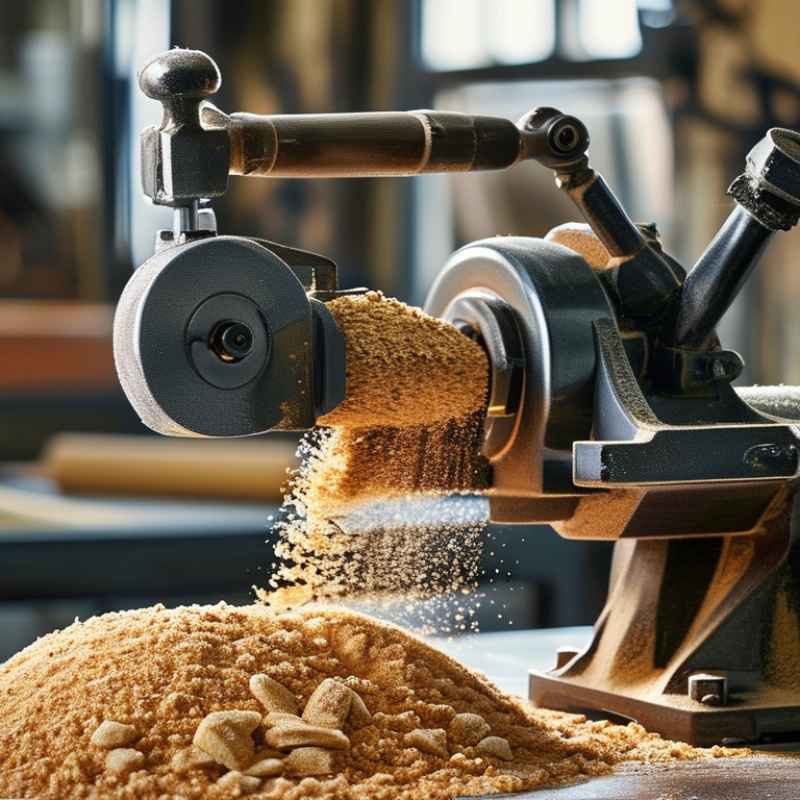
Understanding flour extraction rates is essential for optimizing production in commercial milling. Flour extraction rate refers to the percentage of flour obtained from a given quantity of grain. A higher extraction rate can lead to increased profitability, but it poses challenges. Milling too finely may result in lower nutrient retention. Finding the right balance is crucial.
Factors affecting flour extraction include the choice of grain and milling technique. Utilizing whole grains can enhance the extraction rate, but may also introduce bran and germ into the final product. This can affect the flour's color and baking properties. Adjustments in grinding settings also impact the yield. Fine-tuning rollers and the milling process can optimize extraction.
Monitoring quality is just as important as maximizing extraction. Flour that is too coarse may not perform well in baking. Regular testing of flour characteristics ensures consistency and quality. The goal is not just quantity, but usable quality. Continuous improvement and experimentation are vital in this complex field.
| Parameter | Value | Impact on Extraction Rate (%) | Recommended Best Practice |
|---|---|---|---|
| Moisture Content | 12-14% | +2%-4% | Adjust moisture before milling |
| Broken Wheat Ratio | 20-30% | +3%-5% | Optimize kernel breakage |
| Milling Speed | 1000-1500 RPM | +1%-3% | Fine-tune RPM based on grain type |
| Sifter Performance | 95% Efficiency | +2%-4% | Regular maintenance and calibration |
| Temperature Control | Below 70°C | +2%-3% | Implement cooling systems |
: Grain quality is key. High-quality grains yield more flour.
Incorrect moisture levels can lower efficiency. Aim for 12% to 14% moisture for optimal yield.
The choice of technique directly affects yield. Multi-pass milling can separate bran and endosperm better.
Regular maintenance is vital. Neglect can lead to lower efficiency and higher waste.
Skilled operators make better decisions. Training helps to optimize processes and improve extraction rates.
Yes, continuous monitoring allows for timely adjustments. It improves overall milling performance.
Improved sieving methods can maximize extraction rates. They help maintain flour quality.
Many neglect proper equipment alignment. This can significantly impact extraction efficiency.
Absolutely. Proper blade sharpness and alignment enhance extraction rates and productivity.
Regular assessments of milling processes can highlight improvement areas. Adjustments are often necessary for optimal outcomes.
In the commercial milling industry, understanding flour extraction rates is essential for maximizing efficiency and profitability. This article explores how to improve flour extraction rate in a commercial mill by examining the various factors that influence these rates, such as wheat quality and milling equipment performance. Techniques are discussed to optimize the milling process, ensuring that every part of the wheat kernel is utilized effectively.
Furthermore, it highlights the importance of assessing equipment efficiency to enhance flour yield and the implementation of stringent quality control measures. By adopting these strategies, mill operators can significantly boost their flour extraction rates, thereby increasing their overall production and financial performance while maintaining high standards of quality in their final products.

 Jiujie Machine