In the world of flour blending, precision is key. This is especially true when it comes to micro-ingredient dosing. Many may underestimate its importance. However, achieving the right balance of additives can greatly affect the final product's quality. Thus, understanding why is accurate micro-ingredient dosing important in flour blending is crucial for success.
The impact of slight variations can be significant. For instance, too much of a vital nutrient can alter flavor, texture, and even shelf life. On the other hand, insufficient amounts may lead to product deficiencies. Quality control relies on these accurate measurements. Without them, manufacturers risk inconsistent batches that could damage their reputation.
Moreover, current trends lean toward cleaner labels and health-focused ingredients. This shift heightens the need for precision in micro-dosing. It challenges producers to innovate while maintaining quality. As the industry evolves, the importance of accurate dosing will only increase. It is a delicate balance between creativity and precision, requiring constant reflection and adjustment.
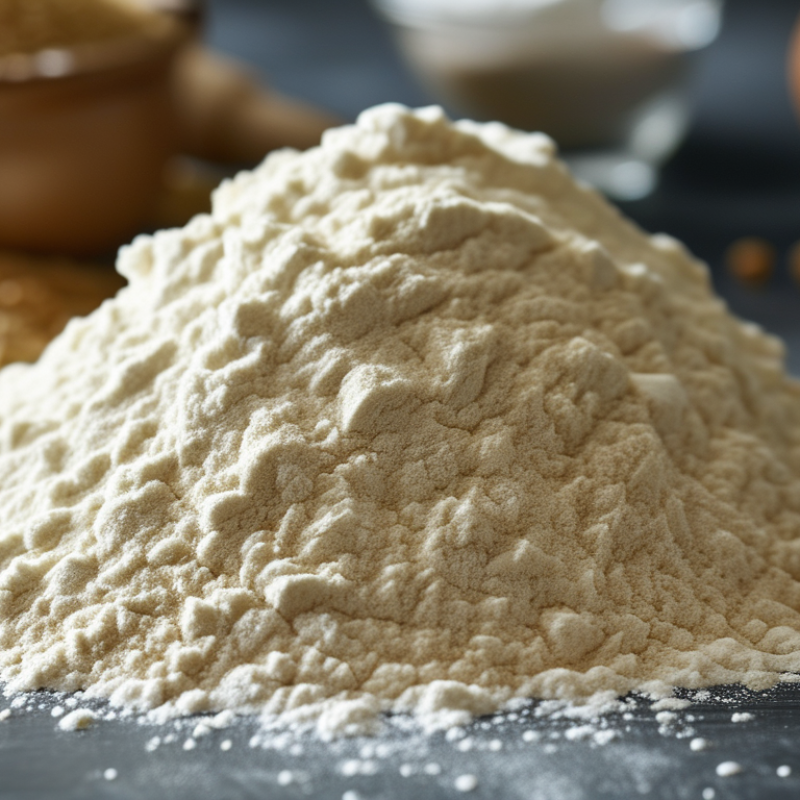
The significance of micro ingredient dosing in flour blending cannot be overstated. Accurate dosing can lead to improved product consistency and quality. According to industry research, even a minor deviation in ingredient ratios can affect the final product's characteristics. For instance, a 1% variation in enzyme levels can impact dough strength and fermentation times significantly.
Cost efficiency also hinges on precise micro ingredient dosing. Data from recent studies suggest that improper dosing can increase waste by up to 10%. This directly affects profitability. For manufacturers, understanding the science behind these micro ingredients—such as the role of specific enzymes or minerals—can lead to innovations in product development.
However, many still underestimate the complexity of this process. Achieving a perfect blend is challenging. Variability in raw materials, equipment differences, and human error all play a role. This inconsistency can undermine production goals and quality standards. Continually refining micro ingredient dosing practices is essential for success. It requires expertise and constant monitoring, which can be resource-intensive.
Micro ingredients play a crucial role in flour production. These additives, including vitamins, minerals, and enzymes, enhance the quality of flour. Accurate dosing is essential because even small variations can alter the final product. For instance, too little gluten can impact dough elasticity. Major shifts can affect texture, flavor, and shelf life.
In the blending process, measuring micro ingredients requires precision. An imbalance may lead to inconsistent results. This can frustrate bakers who depend on quality. Factoring in moisture and temperature is also important. Each batch has unique characteristics. Understanding these elements can improve outcomes.
However, achieving accuracy is not always straightforward. Equipment calibration can vary. Human error is also a risk during manual dosing. Regular audits of processes can help minimize these challenges. Ongoing training for staff is necessary to ensure everyone understands the importance of micro ingredient dosing.
Accurate dosing of micro ingredients in flour blending is essential for quality. Several factors can influence this accuracy, leading to variations in the final product. The equipment used plays a vital role. Inaccurate scales or poorly calibrated dispensers can cause inconsistent measurements. If the machinery isn't regularly maintained, errors become more probable.
Human error is another key factor. Operators might rush or misunderstand dosing instructions. This can lead to oversights, resulting in improper ingredient ratios. Training staff properly can significantly reduce these mistakes. Additionally, environmental factors affect ingredient properties. Humidity can alter the weight of powders, while temperature changes may impact flowability.
Ingredient cohesiveness also impacts dosing accuracy. Ingredients that clump can lead to uneven distribution in the blend. This complicates achieving the desired consistency. To counteract this, some processors experiment with additives or flow agents. Yet, finding the right balance is challenging. Regular monitoring and adjustments are necessary to ensure compliance with recipe specifications.
In the flour blending process, precise micro ingredient dosing is critical. According to industry data, minute variations in dosing can lead to a 15% decrease in product quality. This discrepancy can affect texture, flavor, and nutritional value. For instance, improper dosing of enzymes can result in poor fermentation and ultimately lead to inconsistent product performance.
Inaccurate dosing not only impacts the final product but also the production process. A report from the Baking Industry Research Fund highlights that a mere 2% variation in a critical ingredient can cause a 20% increase in waste during production. This raises operational costs and affects profitability. Many manufacturers do not realize that these seemingly small errors add up over time, leading to significant losses.
Moreover, the challenge lies in achieving consistency. A survey revealed that 40% of bakers struggle with maintaining uniformity in their products. This inconsistency can alienate customers and damage a brand's reputation. Companies must invest in technology to enhance precision in dosing. Failing to do so can prove detrimental to both quality and profit margins.
Accurate micro ingredient dosing is crucial in flour blending. It directly affects the consistency and quality of the final product. Flour mills are increasingly adopting technological solutions to enhance dosing precision. The use of advanced weighing systems provides real-time data. This can minimize errors in the blending process.
Automation also plays a significant role. Automated systems can quickly adjust dosages based on measurements. However, these systems require regular calibration to maintain accuracy. Inadequate maintenance can lead to inconsistencies. This might impact the quality of the flour, affecting everything from texture to shelf life.
Training staff on these technologies is essential. Users must understand how to operate equipment properly. They should also know how to identify potential malfunctions. Over-reliance on technology can be risky without proper human oversight. Finding the balance between tech and expertise is key for optimal results.
| Ingredient Type | Recommended Dosing (grams) | Precision Level (%) | Impact on Quality |
|---|---|---|---|
| Wheat Gluten | 5-10 | ±0.5 | Improves dough elasticity |
| Enzymes | 1-3 | ±0.1 | Enhances fermentation |
| Emulsifiers | 0.5-1.5 | ±0.05 | Improves texture and shelf life |
| Baking Powder | 3-5 | ±0.2 | Increases rise of baked goods |
| Salt | 1-2 | ±0.1 | Enhances flavor profile |
: Micro ingredients are additives like vitamins, minerals, and enzymes. They enhance the flour's quality.
Even small dosing errors can change texture, flavor, and shelf life. Precision is crucial for consistent results.
Equipment calibration, human error, and environmental conditions can all influence dosing accuracy.
Humidity can change the weight of powders. This might lead to inaccurate measurements in the blending process.
Proper training helps staff understand dosing importance. It reduces mistakes from misunderstandings during the process.
Yes, advanced weighing systems and automation enhance dosing accuracy. They provide real-time data for better results.
Automated systems need regular calibration. Inadequate maintenance can lead to inconsistencies in flour quality.
Clumping ingredients can cause uneven distribution. This complicates achieving the desired consistency in the final product.
Regular monitoring ensures compliance with recipe specifications. It helps in maintaining the desired quality of flour.
There should be a balance between technology and human oversight. Over-reliance on machines can pose risks.
Accurate micro-ingredient dosing is crucial in flour blending as it significantly influences product quality and consistency. Micro ingredients, which include vitamins, minerals, and enzyme blends, play a vital role in enhancing the nutritional profile and functional characteristics of flour. However, factors such as equipment calibration, environmental conditions, and operator error can compromise dosing precision.
Understanding why accurate micro-ingredient dosing is important in flour blending is essential for milling operations aiming to maintain the integrity of their products. Inaccurate dosing can lead to inconsistent flour quality, affecting end-use applications and ultimately customer satisfaction. Implementing advanced technological solutions, such as automated dosing systems and real-time monitoring, can greatly improve dosing precision and ensure that flour mills produce high-quality flour that meets industry standards.
Jiujie Machine